


Start with the chair's care instructions, not a bottle of cleaner. Identify each surface, remove loose dirt with a permitted dry method, and treat remaining marks only with an approved product. Keep liquid out of mechanisms and leave the chair out of use until the cleaned areas are dry.
This guide explains how to clean office chair surfaces without treating mesh, fabric, leather and plastic as interchangeable. For a facilities cleaning lead, the useful result is a clear job: which parts can be cleaned, which need clarification, and what the next shift should check before returning the chair.
Check the chair's identity before choosing a cleaner
A chair can have a mesh back, a padded fabric seat and coated arm pads. Start a separate care check for each part. A fabric cleaning code does not approve the same treatment for the frame, arms or seat foam.
Find the model or serial label without dismantling the chair. Photograph it for the maintenance record, and compare it with the purchase or order details.
Identify the seat, back and arm coverings, plus the finish on exposed hard parts. Do not decide whether a surface is genuine leather, polyurethane (PU) or vinyl from its appearance alone.
Locate the manufacturer's care sheet for that material and version. Read any upholstery code alongside the full instructions; keep both available to the person doing the work.
Check the proposed cleaner's label against the chair's instructions. Confirm the permitted surface, application method and removal requirements before preparing it.
If the tag is missing or the paperwork disagrees, pause liquid treatment and ask the supplier to identify the covering. Record the uncertainty by component: an unknown seat does not become water-safe because the back looks like mesh. A hidden-area test is a check within an allowed method, not permission to ignore a prohibited one.
Choose the cleaning path for each material
Use the table to choose the next check, not to approve a cleaner by material name alone. The care sheet may distinguish routine dust removal from spill treatment. It may also give different instructions for two surfaces on the same chair.
Material-first cleaning decisions | ||
Surface | First action | Before adding cleaner |
|---|---|---|
Mesh back or seat | Check which vacuum attachment the maker permits; avoid assuming a brush is acceptable. | Match the exact mesh and any backing. A see-through back and a padded seat may need different methods. |
Fabric over padding | Read the fabric's cleaning code and remove loose soil by the permitted dry method. | Confirm the approved spot-cleaning method. A water-based code does not approve soaking, machine washing or extraction. |
Leather or coated upholstery | Identify the covering and finish, then follow its dusting instructions. | Keep genuine leather, PU and vinyl instructions separate. Do not add conditioner or a household remedy without specific approval. |
Plastic, painted parts and exposed base | Remove loose dust with a suitable soft cloth. | Check the finish-specific wipe method. Do not assume an all-purpose cleaner is compatible with every coating or arm pad. |
HON's fabric-care guide explains common codes: W means water-based upholstery cleaner; S means water-free solvent cleaning; WS allows either specified method; X excludes water and solvent cleaners. None means unlimited product choice. For an S-coded seat, have the cleaning lead arrange the appropriate treatment rather than choosing a household solvent.
For mesh, tool choice matters. Herman Miller's Aeron care guide says to vacuum its 8Z Pellicle with an upholstery attachment and not brush it or use a rotary brush. That is a named-material example, not evidence that another brand's mesh accepts Aeron's stain treatments.
Leather needs its own process. Herman Miller's leather-care instructions call for cleaning the whole relevant surface rather than an isolated spot, and prohibit heat drying. They also give different advice for grease. Do not apply the fabric spot-cleaning steps below to leather unless its own instructions allow them.
For plastic and other hard parts, a wipe method is separate from polishing or disinfection. Follow the approved cleaner and residue-removal instructions for the actual finish; keep treatment away from openings and moving joints.
Clean in stages, with a check between each one
Set aside clean, soft cloths, the approved vacuum attachment and the matched care instructions. Prepare a cleaner only after confirming it is allowed. Keep the chair out of use while you work, with enough room to reach it without tipping or dismantling it.
Prepare the job. Note existing marks and damage before cleaning. Follow the cleaner label for ventilation and protective equipment. If the chair has powered components, disconnect power as its manual directs and keep liquid away from electrical openings.
Remove loose soil. Use the permitted upholstery attachment on accessible fabric or mesh and a suitable dry cloth on hard surfaces. Work around seams without forcing tools into gaps. For a fresh drink spill, lift excess liquid with a clean absorbent cloth; do not spread it by rubbing.
Test only an approved treatment. For fabric or mesh that allows spot cleaning, try the specified product on a concealed area of the same material. Use the instructed application and removal method, let the test area dry, then inspect for a ring, color change or altered texture. Do not continue if it changes.
Treat the allowed area. Follow the care sheet's amount and method. Where it calls for a damp cloth, wring the cloth well; do not soak the padding. Blot an approved fabric treatment from the stain's edge inward, then remove residue as directed. Leather follows its own panel-cleaning instructions, not this fabric procedure.
Dry and inspect. Let treated upholstery dry fully before use. Do not substitute steam, a heater or a hair dryer for the specified process. Check the cleaned area again before deciding whether the task is finished or needs referral.
Steelcase's cleaning precautions reinforce the need to follow labels, avoid mixing products and protect electrical openings. Its instructions apply to its products, not every office chair. If the care sheet and cleaner label cannot both be followed, stop and clarify the method instead of increasing concentration or trying another chemical.
Match the care record to the installed chair
SpaceUnited's SU-ST-MH chair listing shows why an order record matters. It lists several variants and displays both mesh and fabric swatches. Those options do not identify the covering on the chair in front of the cleaner, or establish which chemical its finish accepts.
What to confirm for this chair
Match the installed model label and order option to the seat, back and arm coverings. Record each component separately rather than copying the product title into every field.
Request the applicable care sheet and its material reference. The inspected public listing does not establish a model-specific cleaning method, and some feature descriptions differ across the page. Treat unresolved configuration details as questions, not approved instructions.
The image below is useful for locating the back, seat, arms and base when building that record. It is not a cleaning demonstration or proof of material chemistry. No cleaning test or cleaner compatibility for this SpaceUnited series is claimed here; another manufacturer's care recipe cannot fill that gap.

Original SpaceUnited product image. Identify the installed variant and each covering before assigning a cleaning method.
Stop when cleaning becomes a damage or service issue
Do not chase a stain through several stronger products. A change in the surface is a reason to stop, even if the mark is still visible. Record what happened so the next cleaner does not unknowingly repeat the same treatment.
Stop liquid treatment if the test leaves a ring, transfers color or changes texture or gloss. Keep the cleaner name and test location with the record.
Refer persistent stains or widespread soiling to a cleaning professional who can work from the material's care instructions. Do not add a second chemical to the first.
Hold the chair if padding remains damp or liquid has entered an opening. Do not use heat or a surface-dry appearance as a reason to release it.
Do not scrub peeling coverings, torn mesh or damaged seams as though they were dirt. Record the damage and seek the appropriate service assessment.
Treat sinking, instability or a damaged caster as a separate service issue. Do not dismantle the gas lift, soak mechanisms or force parts apart to finish a cleaning job.
If the workplace requires disinfection, the cleaning lead must first confirm both material compatibility and the disinfectant's label requirements. This routine-cleaning workflow does not certify disinfection. Keep that requirement separate from a visual check for dirt or stains.
Use a cleaning handover card before return to service
Copy this card into your maintenance log and fill it out for the actual chair. It is a record template, not a certificate or a report of work already done. Leave the chair marked out of use when drying or follow-up is still needed.
Office-chair cleaning handover card — complete after the job | |
Record field | What the cleaner or lead should enter |
|---|---|
Chair identity | Asset/location, model or serial label, and order or configuration reference. |
Component and material | Seat, back, arms or hard part; covering/finish reference and any unresolved identity question. |
Care instructions | Document title or link, version/date if available, and the component it covers. |
Soil and starting condition | Spill or dirt type if known; existing stains, damage or photographs actually taken. |
Method and product | Actual cleaner name, label-directed preparation, tools used and parts treated. Record dry-only work when applicable. |
Test and observations | Concealed test location, result after drying, and any color, ring, texture or finish change. |
Release or hold | Dry and ready, still drying, awaiting material guidance, or referred for cleaning/service. State why. |
Responsibility and next check | Person who performed the work, date, person responsible for the release decision, and any agreed follow-up. |
Before handover, check the treated areas for remaining moisture, residue and visible damage. If adjustments changed during access, the user can follow the office chair adjustment guide and the chair's own manual to restore their setup after release. A cleaning record should not say that a mechanical fault was repaired unless that separate work actually occurred.
Office chair cleaning questions
Does a W or WS code mean I can steam-clean the seat?
No. A cleaning code describes a permitted method category, not approval for heat or extraction equipment; HON's W and WS guidance specifically does not recommend steam or hot-water extraction. Use equipment only when the chair's applicable instructions explicitly allow it.
Can I use the same disinfectant wipe on the arms and seat?
Do not assume so: approval for a hard arm surface does not establish compatibility with upholstery. Confirm the exact material and the product label requirements before disinfection; do not infer germ-killing performance from this cleaning guide.
How often should an office chair be cleaned?
Set the routine around actual use, visible soil and the applicable care instructions, and respond to spills promptly. A shared chair may need a different plan from a lightly used private-office chair; there is no single deep-cleaning interval or drying time that this guide can promise for every covering.
What if the chair has no readable care label?
Use the order record, model or serial number, and clear component photos to ask the supplier for identification. If the material still cannot be confirmed, keep liquid treatment on hold rather than assigning a W code from appearance.
Keep the care instructions with the chair
Keep the material reference, permitted cleaning method and completed handover card together. That gives the next cleaner a useful starting point without turning one successful treatment into a rule for every chair.
For a SpaceUnited chair with unclear care details, use the SpaceUnited contact page to request the matching material care sheet. Include the model label, order option and the component you need to clean.


Office Chair Dimensions: Seat Width, Depth, Height & Desk Fit
Before ordering an office chair, check two things separately: whether the seat and arms fit the user, and whether the complete chair can reach the desk. Office chair dimensions such as overall width and total height cannot answer both questions.Start with named measurement points, then record the ad
/ Read More
What is the best office chair for sitting all day?
The best office chair for sitting all day gives great support and comfort. It also helps keep your body healthy. SpaceUnited is a top company for ergonomic office furniture. They make smart chairs that help people feel better at work. Studies show an ergonomic office chair can help you work better.
/ Read More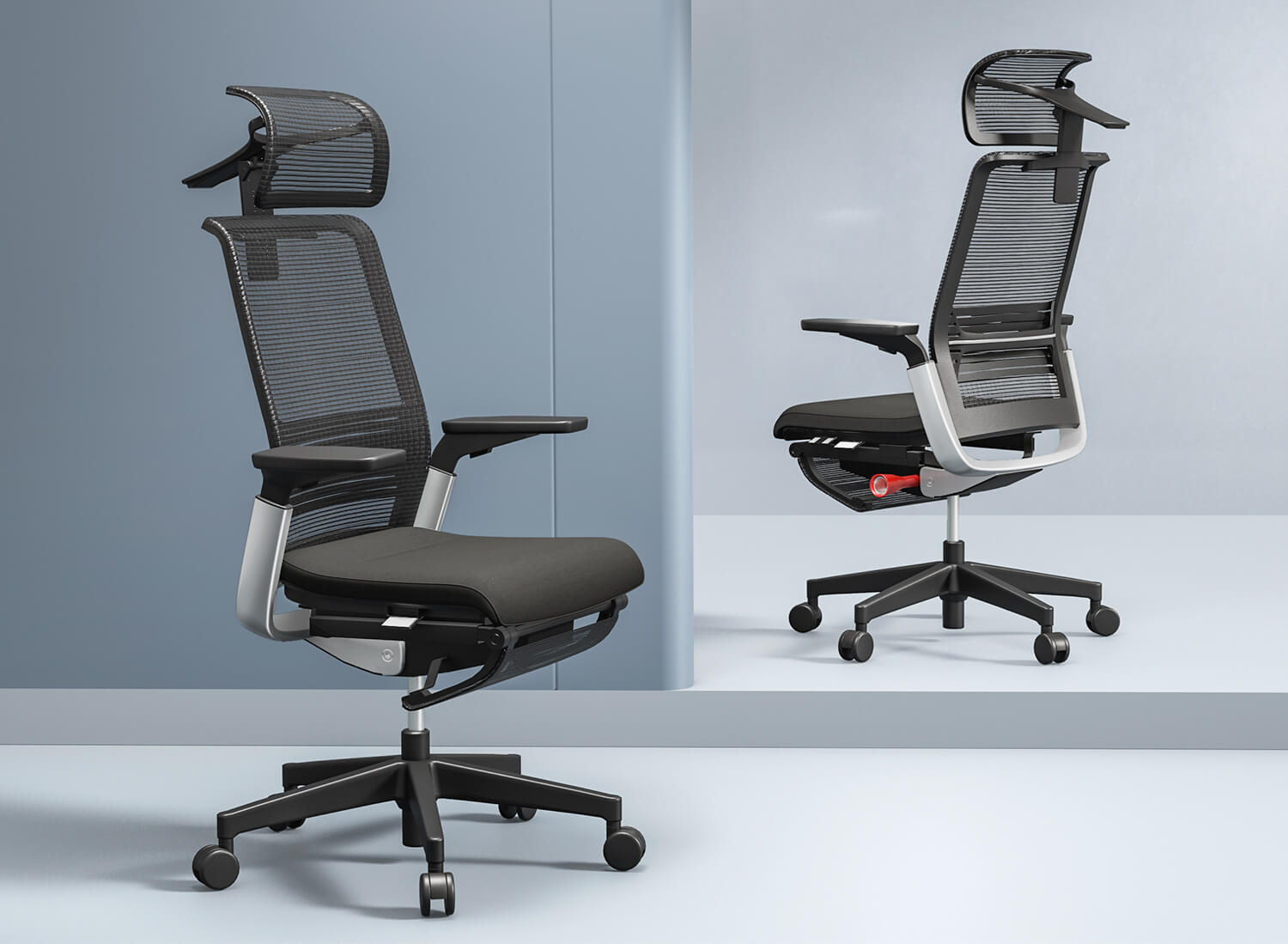
What are the ergonomic considerations for an office chair?
An office chair should have many ergonomic features. These features help people stay comfortable and healthy at work. You should look for adjustability, lumbar support, seat height, armrests, tilt, good material, and a strong base. These things stop pain, help you focus, and keep your posture good.
/ Read More
How to properly adjust an office chair for optimal comfort?
Many people sit at desks and ask why their backs hurt or shoulders feel tight. An office chair that fits well can help a lot. Changing things like lumbar support, seat depth, and armrests lowers strain. It keeps your body relaxed and helps you sit in a healthy way. SpaceUnited makes ergonomic office
/ Read More
What are the benefits of using an office chair?
An office chair has many good things for people who sit a lot. People feel less pain and have more energy with a work chair. Regular chairs do not move and do not give much support. Ergonomic chairs help your body feel good and stay healthy. Many workers can focus better and hurt less with ergonomic
/ Read More
What are the different types of office chairs?
When you walk into a modern office, you will see many types of chairs. There are swivel, ergonomic, modern, visitor, leather, and mesh chairs. Each type gives something special to your workspace. SpaceUnited offers new ideas for all these office chairs. This helps you find the chair that fits your n
/ Read More
What are the best office chairs?
When people talk about the best office chairs, the Steelcase Gesture is often first. Testers say it is very comfortable. It fits many body types because you can adjust it a lot. It gives good support. The Herman Miller Aeron is known for being strong and letting air flow through. This is great if yo
/ Read More
What are the Different Types of Office Chairs?
What are the Different Types of Office Chairs?Sitting in a busy office, struggling with daily tasks, and the glow of computer screens is already a norm for you. But sitting on the wrong chair? That shouldn’t be. Office chairs are the most important tools needed in an office as they shape your comfor
/ Read More