


For most setups, bar stool height means the seat should be about 28–30 inches for a 40–42 inch bar. A 34–36 inch counter usually needs a 24–26 inch seat. In either case, aim for roughly 9–12 inches between the top of the seat and the usable underside of the surface.
Those ranges are a starting point, not a substitute for measuring. A thick countertop, apron, drawer, raised floor, or padded seat can change the space your legs actually receive. The stool's overall height may also include a backrest, so it is not the number to use for the basic fit.
Start with the chart below, then measure the finished surface and its lowest obstruction. After the height works, check stool width, base size, support, and the room needed to pull each seat out.
Bar Stool Height Chart: Match the Seat to the Surface
Match the seat to the surface, not to the room name or a product label. The ranges below reflect common sizing guidance and work best when the surface falls within a standard band.
| Surface type | Typical surface height | Starting seat height | Common seating label |
|---|---|---|---|
| Dining or table | 28–30 in | 17–19 in | Dining chair or low stool |
| Counter | 34–36 in | 24–26 in | Counter-height stool |
| Bar | 40–42 in | 28–30 in | Bar-height stool |
| Extra-tall surface | Above standard bar height | Calculate from the real opening | Extra-tall or spectator stool |
When comparing bar height stools, check the listed seat height rather than the top of the backrest. Some guides and retailers use wider category bands, so a stool can carry the correct label and still sit too high or too low for your surface. Extra-tall counters deserve a fresh calculation instead of an automatic move to the next label.
Fast match
34–36 inch counter: start with a 24–26 inch seat.
40–42 inch bar: start with a 28–30 inch seat.
Before buying, confirm roughly 9–12 inches of space to the usable underside.
How to Measure the Right Stool Height
Use the finished floor as the starting line for every vertical measurement. Measuring from a subfloor, unfinished platform, or nearby floor level can shift the result enough to make a fixed-height stool uncomfortable.
| Item | Description |
|---|---|
| Seat height | The distance from the finished floor to the top of the sitting surface. This is the main product dimension for matching a counter or bar. |
| Overall height | The distance from the floor to the highest point of the stool, often the backrest. It helps with visual and storage planning but does not replace seat height. |
| Usable underside | The lowest surface above the user's legs, which may be an apron, drawer, rail, or frame rather than the countertop itself. |
Measure from the finished floor to the top of the counter or bar at the actual seating position.
Measure from the same floor point to the lowest usable underside, including aprons, drawers, rails, or brackets.
Subtract about 10–12 inches from the surface height to create a first seat-height target.
Check that the target still leaves roughly 9–12 inches below the lowest obstruction.
Compare that target with the model's stated seat height or adjustment range, then verify it in the current specification.
For example, a 42-inch bar points toward a seat near 30 inches, but a deep apron can reduce usable legroom. Measure at more than one position if the underside changes along the run, and use the tightest opening when choosing a fixed-height stool.
Check Legroom, Overhang, and Stool Spacing
A suitable seat height does not guarantee comfortable seating. The user also needs room for knees, feet, elbows, and the movement required to sit down and stand up. Treat roughly 9–12 inches from the seat to the usable underside as a planning range, then check the person, stool, and task.
Overhang: a shallow top can force the user to sit too far from the surface even when the vertical clearance is correct.
Width: a broad seat, arms, or a swivel path needs more side room than a narrow backless stool.
Base footprint: legs or a pedestal can collide before the seat edges appear crowded.
Footrest position: the user should be able to support the feet without the knees being pushed into the underside.
Mark the usable counter length after columns, corners, and equipment are excluded.
Use about 24 inches per seat only as an early planning allowance, then increase it for wide seats, arms, or swivel movement.
Test the pull-out path and the walkway behind an occupied stool.
Check whether adjacent seats can be used without elbows or bases colliding.
Have the project team review applicable circulation and accessibility requirements for the site.
Do not maximize the seat count before testing the largest stool on the shortlist. In a tight plan, one fewer stool can create a more usable seating run and a clearer route behind it.
Choose Features After the Height Fits
Once the height and layout work, compare how each stool will be used. A quick breakfast perch may need fewer support features than a seat used for informal meetings, laptop work, or repeated breaks.
| Item | Description |
|---|---|
| Effective seated height | The height a user experiences after a cushion compresses. A thick or soft cushion should be checked under load, not measured only at its uncompressed top. |
| Dwell time | How long people are expected to remain seated. Longer stays usually make back support, foot support, and posture more important. |
| Shared-use fit | How well the stool accommodates different users, repeated movement, and routine cleaning without changing the required height range. |
Backrests add support but increase overall depth and may stop the stool from tucking fully under the surface.
Arms can help some users but require enough overhang clearance and additional side spacing.
A swivel base can make entry easier, yet it needs room to rotate without striking nearby seats or walls.
A well-positioned footrest supports the feet; confirm its height and shape on the actual model.
Upholstery can improve the feel of longer sitting, while material choice should also reflect cleaning and maintenance needs.
Check the base on the finished floor for stability and for the footprint it occupies.
Choose in the right order
First approve seat height, usable clearance, and footprint.
Then compare support, movement, materials, and maintenance.
Reject attractive features that make the stool too tall, too wide, or difficult to use in the planned space.
Using Bar Stools in Offices, Cafés, and Shared Spaces
Shared seating adds variables that a single-user kitchen may not face. Different people use the same seat, cleaners handle it repeatedly, and the surrounding space may switch between breaks, informal meetings, and laptop tasks. Keep the approved height range fixed while comparing how each model supports those uses.
Office pantry: prioritize easy entry, a usable footrest, wipeable touch points, and enough room for people to pass behind occupied seats.
Café area: review repeated movement, seat spacing, base stability, and materials against the site's cleaning routine.
Negotiation or lounge setting: longer dwell time can make back support and upholstery more relevant, provided the stool still fits under the surface.
Multi-use counter: consider an adjustable range when one fixed seat height cannot serve the real surface and intended users.
SpaceUnited lists upholstered high bar stools for office pantry and negotiation settings. Treat that application wording as a way to find candidates, then confirm seat height, overall dimensions, base footprint, and materials on the current model page or quotation.
Does the model's stated seat height fall within the measured target?
Can the seat, back, arms, and base work within the planned footprint?
Do the materials suit the cleaning method and expected dwell time?
Are the dimensions current and tied to the exact model or variation being ordered?
Curved-back options may appear under terms such as ergonomic bar height stools. That description can guide a style and support comparison, but it does not prove that the seat will match a 36-inch counter or a 42-inch bar.
Use product labels as filters
Application and style labels help build a shortlist.
Only the live specification, drawing, sample, or quotation confirms the fit.
Keep every shortlisted model tied to the same measurement record.
A fabric cushion bar stool may suit a lounge-oriented brief, yet cushion behavior, seat height, frame footprint, and maintenance still need individual review. Compare the actual model data instead of assuming that all stools in a visual family share dimensions.
Final Checklist Before You Order
Put the measurements and product fields on one page before approving a model. For a larger workplace project, the same record can support design coordination or office furniture services without turning a simple height decision into repeated email questions.
Finished-floor-to-surface height is recorded at every seating condition.
The lowest usable underside and any apron, drawer, rail, or bracket are recorded.
The target seat height leaves roughly 9–12 inches of usable clearance.
The model's seat height and overall height are listed as separate fields.
Seat width, depth, arms, swivel path, and base footprint fit the layout.
The seat count leaves appropriate side space, pull-out room, and circulation.
Backrest, cushion, footrest, materials, and cleaning needs fit the intended use.
Model, variation, finish, quantity, and current dimensions are confirmed in writing.
A drawing, sample, or adjustable option is used when a non-standard surface leaves doubt.
Go or no-go
Approve only when the opening, stool dimensions, layout, and use case agree.
If one critical field is missing, pause the order and verify it rather than relying on the category label.
Frequently Asked Questions
What is the standard bar stool seat height?
A standard bar-height stool commonly has a seat around 28–30 inches from the floor. That range usually fits a 40–42 inch bar, but the usable underside and the exact model specification still need to be checked.
What stool height works for a 36-inch counter?
Start with a counter-height seat around 24–26 inches. Measure to the lowest underside obstruction and confirm that the selected seat leaves roughly 9–12 inches of usable legroom.
What stool height works for a 42-inch bar?
A seat around 28–30 inches is the usual starting point for a 42-inch bar. A seat near 30 inches often fits the basic rule, but a deep apron or thick top can make the real opening tighter.
Does a thick cushion change the seat-height measurement?
Yes. Product seat height is normally measured to the top of the sitting surface, but a soft cushion may compress under a user. Check both the listed dimension and the effective seated position, especially when clearance is near the lower end of the range.
Should I choose a fixed or adjustable stool for a non-standard surface?
Choose fixed height when the measured opening and model dimensions clearly agree. An adjustable stool can be useful for an unusual surface or mixed users, but its minimum and maximum seat heights, base footprint, footrest, and stability must still fit the space.
Measure the Opening, Then Choose the Stool
For a standard setup, begin with a 24–26 inch seat at a 34–36 inch counter or a 28–30 inch seat at a 40–42 inch bar. Then use the real underside—not the category label—to confirm that the user has roughly 9–12 inches of usable space.
Once the height works, review the footprint, spacing, cushion, support, materials, and current model data. The checklist above gives you a consistent way to compare options in SpaceUnited's bar stool category without assuming that every product shares the same dimensions.
Measure first, compare second. Take the final checklist to the counter, record the opening, and use those numbers when reviewing the SpaceUnited bar stool range. The height and ordering checklist in this guide
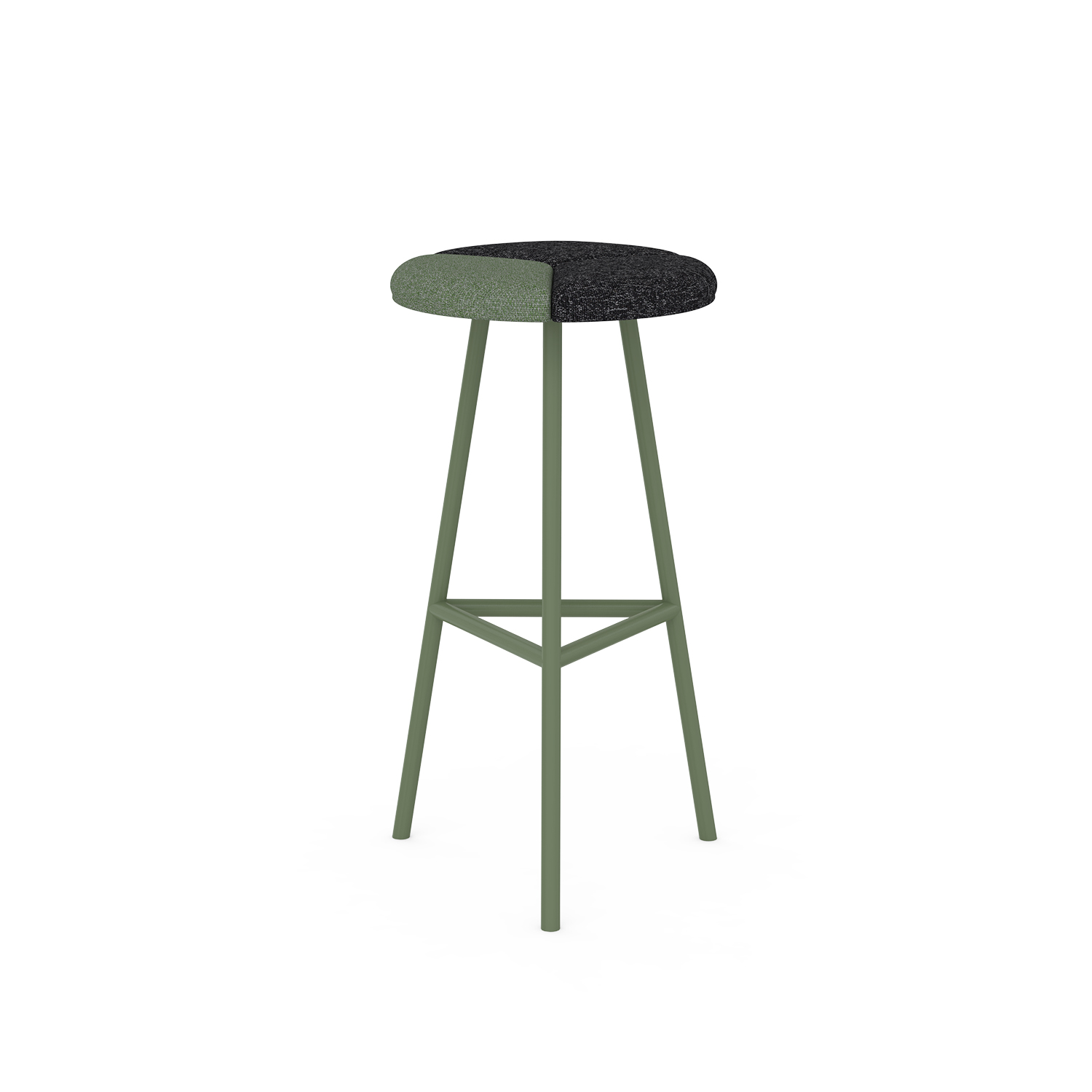

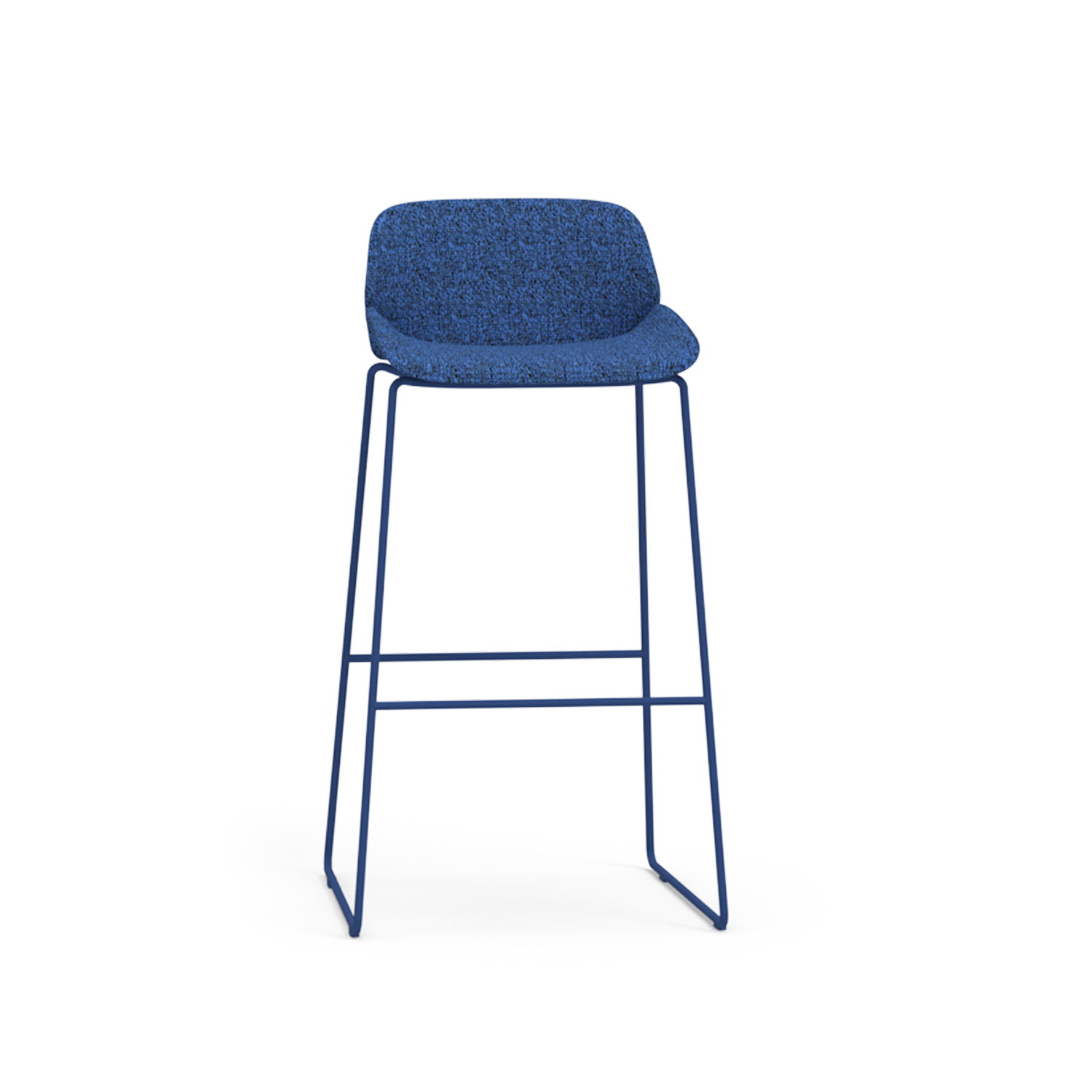

what size bar stool for 42 counter
A stool can carry the right label and still feel wrong at a 42-inch surface. The common starting point is a seat near 30 inches high, which leaves about 12 inches between the seat and the top of the bar.That shortcut is not the final specification. A thick top, apron, support rail, mat, or raised fl
/ Read More
What is the best office chair for sitting all day?
The best office chair for sitting all day gives great support and comfort. It also helps keep your body healthy. SpaceUnited is a top company for ergonomic office furniture. They make smart chairs that help people feel better at work. Studies show an ergonomic office chair can help you work better.
/ Read More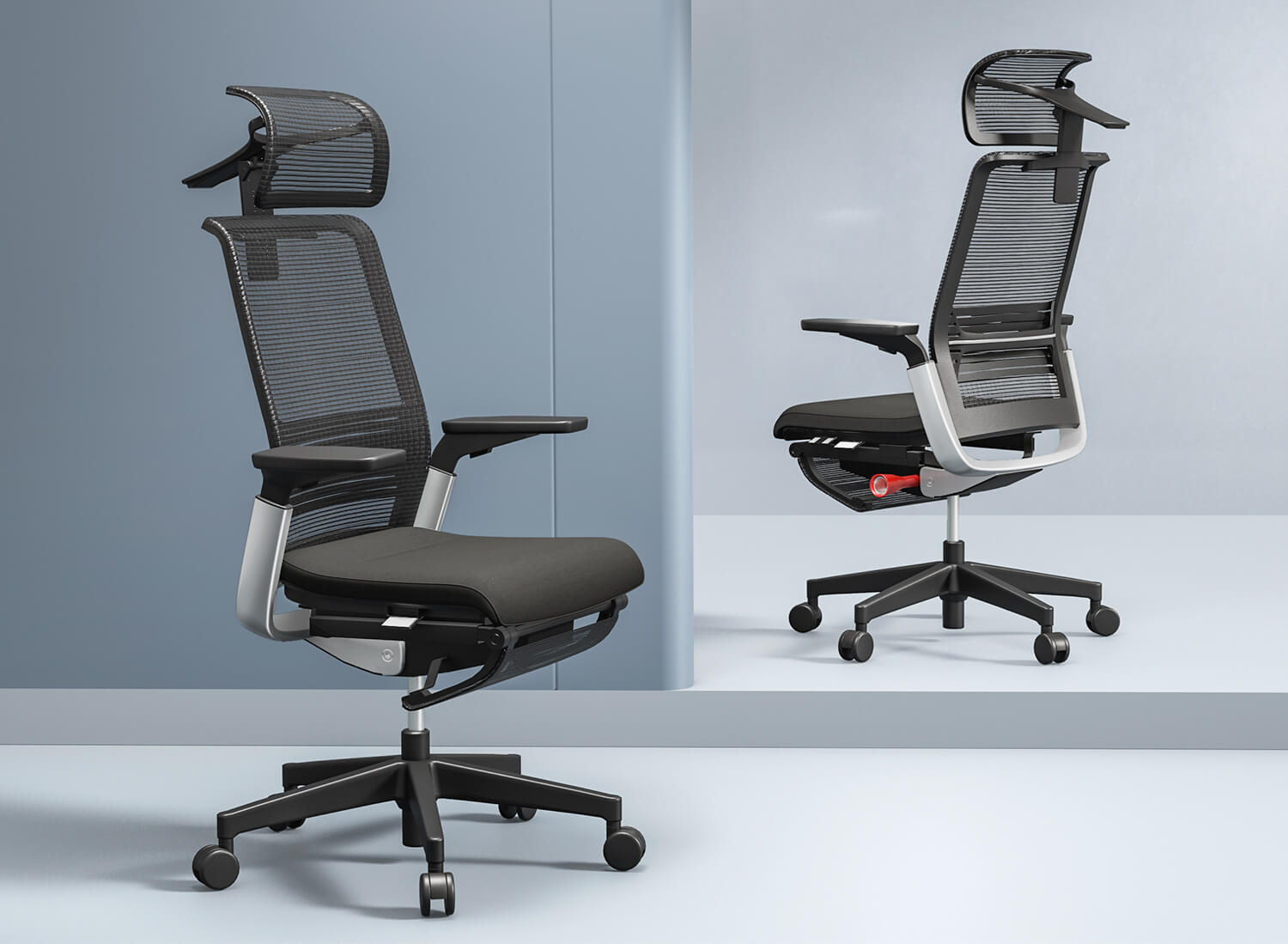
What are the ergonomic considerations for an office chair?
An office chair should have many ergonomic features. These features help people stay comfortable and healthy at work. You should look for adjustability, lumbar support, seat height, armrests, tilt, good material, and a strong base. These things stop pain, help you focus, and keep your posture good.
/ Read More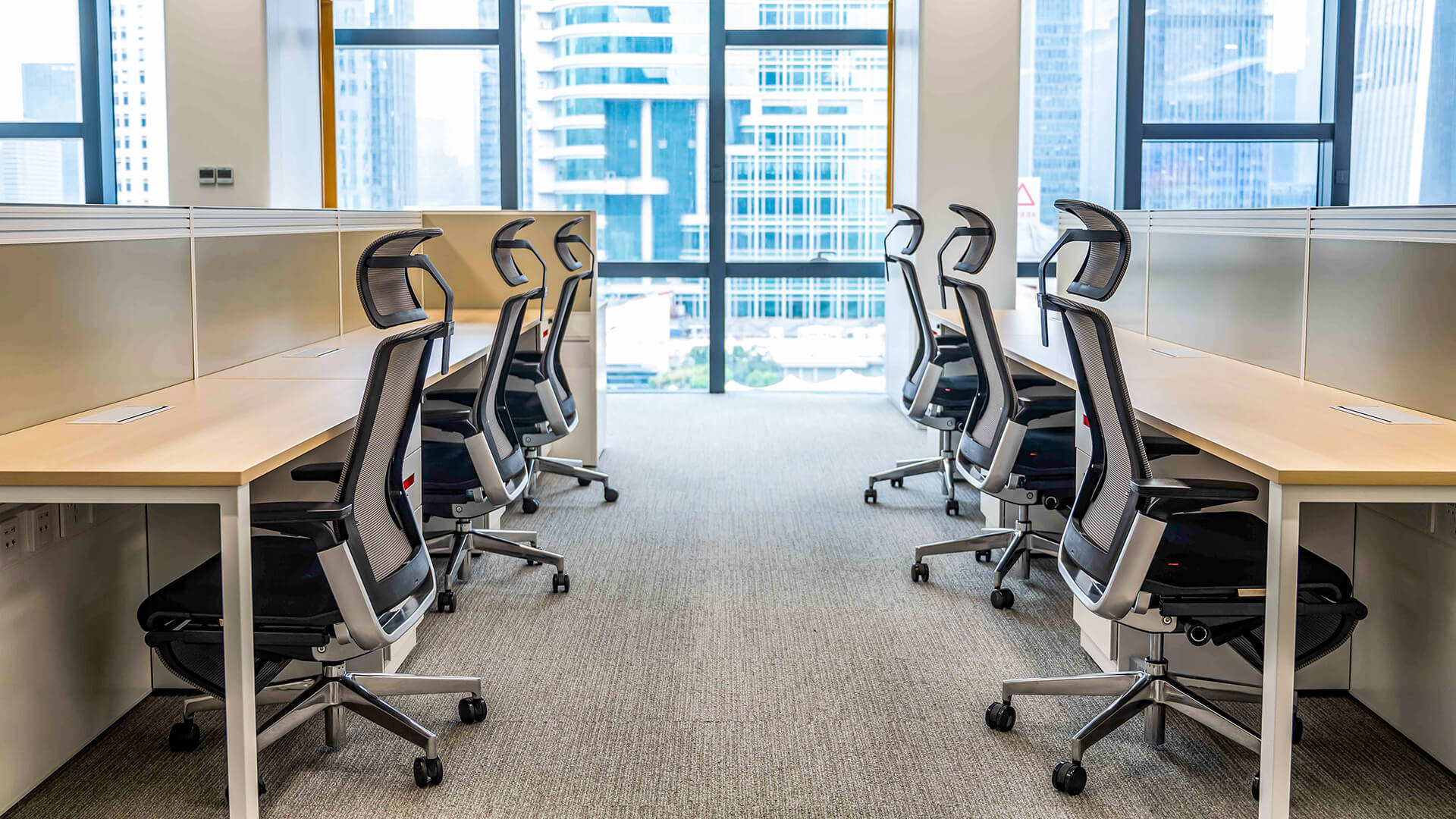
How to properly adjust an office chair for optimal comfort?
Many people sit at desks and ask why their backs hurt or shoulders feel tight. An office chair that fits well can help a lot. Changing things like lumbar support, seat depth, and armrests lowers strain. It keeps your body relaxed and helps you sit in a healthy way. SpaceUnited makes ergonomic office
/ Read More
What are the benefits of using an office chair?
An office chair has many good things for people who sit a lot. People feel less pain and have more energy with a work chair. Regular chairs do not move and do not give much support. Ergonomic chairs help your body feel good and stay healthy. Many workers can focus better and hurt less with ergonomic
/ Read More
What are the different types of office chairs?
When you walk into a modern office, you will see many types of chairs. There are swivel, ergonomic, modern, visitor, leather, and mesh chairs. Each type gives something special to your workspace. SpaceUnited offers new ideas for all these office chairs. This helps you find the chair that fits your n
/ Read More
What are the best office chairs?
When people talk about the best office chairs, the Steelcase Gesture is often first. Testers say it is very comfortable. It fits many body types because you can adjust it a lot. It gives good support. The Herman Miller Aeron is known for being strong and letting air flow through. This is great if yo
/ Read More
What are the Different Types of Office Chairs?
What are the Different Types of Office Chairs?Sitting in a busy office, struggling with daily tasks, and the glow of computer screens is already a norm for you. But sitting on the wrong chair? That shouldn’t be. Office chairs are the most important tools needed in an office as they shape your comfor
/ Read More