


Try these office storage ideas before adding another cabinet: keep active papers in one project file beside the work area, pair a small printer supply tray with a separate reserve shelf, and give personal bags a home away from shared stationery. Each arrangement gives a familiar pile a specific destination.
Choose the ideas that match what your office actually stores. Existing folders, boxes, drawers and shelves can work when their size, condition and permitted use suit the contents; a matching furniture set is not a prerequisite.
Give documents a working home and a return home
Choose a location and return path for each kind of item | |
Place | Use and return rule |
|---|---|
One active-project file beside the desk | Stand a small set of current project folders in a side file, with the project name visible on each. Keep the page being used on the work surface and return it to its folder afterwards. Move completed work to the agreed filing location rather than leaving it underneath the next project. |
A binder shelf arranged by team or subject | Stand binders upright with their spines facing the room. Give each team or subject a marked run of shelf space, using bookends or dividers suited to the shelf to keep a partly filled row upright. Leave enough room to grip and remove a binder rather than packing the row so tightly that people leave files on top. |
Separate retained files from everyday reference | Use clearly labeled record boxes or file drawers for documents that are not needed at the desk each day. Label the storage location as well as the box so it has a return address. Move only records that may be relocated under your office's retention and access rules; scanning a document does not by itself authorize discarding its original. |
The FTC recommends locked storage for sensitive paper records and access limited to people who need the information. Keep those records out of an open shared binder shelf, even if the folders look the same as ordinary reference material.

Hori cabinet with open shelves, drawers and a tall sliding-door compartment.
When adapting drawers, compare the actual folder or box with the usable interior and opening. The filing cabinet dimensions guide explains why outside measurements alone do not tell you what fits.
Put shared supplies beside the task
A small printer supply tray plus a reserve shelf: Keep one working supply of paper and everyday print materials near the printer, outside its ventilation and service access. Store unopened reserve packs together on a suitable nearby shelf. Put the reserve location on the working tray's label, so an empty tray sends someone to one known place instead of creating several hidden stashes.
A meeting kit in a labeled carry box: Group the markers, eraser and ordinary meeting stationery in a small box or caddy near the meeting room. Label its shelf position with the same name. Bring out the kit for a session, then return it together and replace missing items; keep confidential meeting papers out of the shared kit.
Small bins for spare cables and adapters: Use divided bins for unplugged spare cables and adapters, grouped by connector or purpose. Add a clear label to the bin and keep identifying product information with an unfamiliar adapter. This is storage for unused items, not a place to hide operating chargers, power strips or heat-producing equipment.

Hori cabinet detail showing open shelves and a pinboard panel.
Keep only the quantity the nearby space can hold accessibly. Refill from reserve according to actual use and delivery time. If the same supply is repeatedly missing, change its refill routine or location rather than simply filling another cupboard.
Keep personal belongings out of shared supply space
A portable work kit with its own home: At shared desks, put personal pens, a notebook and small accessories in a pouch or caddy that leaves the workstation with the user. Give the kit a defined locker or other permitted personal-storage location between sessions. An empty desk is only useful when the belongings have somewhere to go.
Individual compartments near the arrival route: Give each occupied personal space a clear identifier and keep it separate from common supplies. Check that a filled bag can pass through the opening and that coats or straps do not spill into the walkway. Use the appropriate controlled storage for valuables or sensitive material; an open cubby is not a security container.
Distinguish assigned overnight spaces from day-use spaces that must be emptied. In a hybrid office, yesterday's uncollected bag still occupies a compartment. Use the office's normal lost-property process for belongings left behind rather than mixing them into shared stock.
Use existing space without blocking work
Shallow inserts inside an existing drawer: Use small open boxes or drawer dividers to separate daily stationery, spare items and cables. Place the most-used group toward the front. A shallow insert lets you see the contents without stacking layers; keep bulky reserve packs elsewhere so the drawer remains easy to close.
A side cabinet instead of boxes in the foot space: Where a desk has usable side space, a suitable pedestal or low cabinet can hold files without turning the area under the keyboard into storage. Allow for the seated user's knees, chair movement and the full drawer opening. If no side space remains, move the storage to a nearby shared location rather than crowding the foot space.
Vertical storage where the room permits it: A suitable shelf or wall-mounted organizer can move light, often-used supplies off a crowded surface. Choose an accessible height for the actual users. Use wall storage only with permission and the specified fixings, substrate and load limits. If drilling is not allowed, reuse an existing cabinet interior or an appropriately installed freestanding unit; do not substitute an unapproved adhesive mounting method.
CCOHS storage-layout guidance recommends convenient retrieval heights and enough space for the people using the area. A shelf that one colleague reaches easily may not work for everyone.
Its office-safety guidance calls for even loading, heavier and less-used materials toward the bottom, no heavy items on cabinet tops and no overloaded shelves. Follow the furniture's installation and loading instructions, including required restraints, and keep doors and drawers out of circulation routes.
For a private-office wall, SpaceUnited's Hori storage cabinet combines open shelving with closed cabinetry. Use the open part for visible reference items and the closed part for contents that need a separate home. Check the actual interior before assigning files or bins; the mixed construction alone does not establish a shelf load or file-rail arrangement.
Make one recurring pile easier to put away
Pick the papers, supplies or bags that most often end up in the wrong place. Give that group one usable home and a matching return label, then try the arrangement through a normal work and restocking cycle. If items still collect beside it, change the location, opening or allocated space before buying more furniture.
Compare storage solutions only where an existing drawer, shelf or compartment cannot meet the need. Choose the interior around the contents and the people using it.
Give each recurring pile a destination and return rule; size any new cabinet around the items that still need a home.


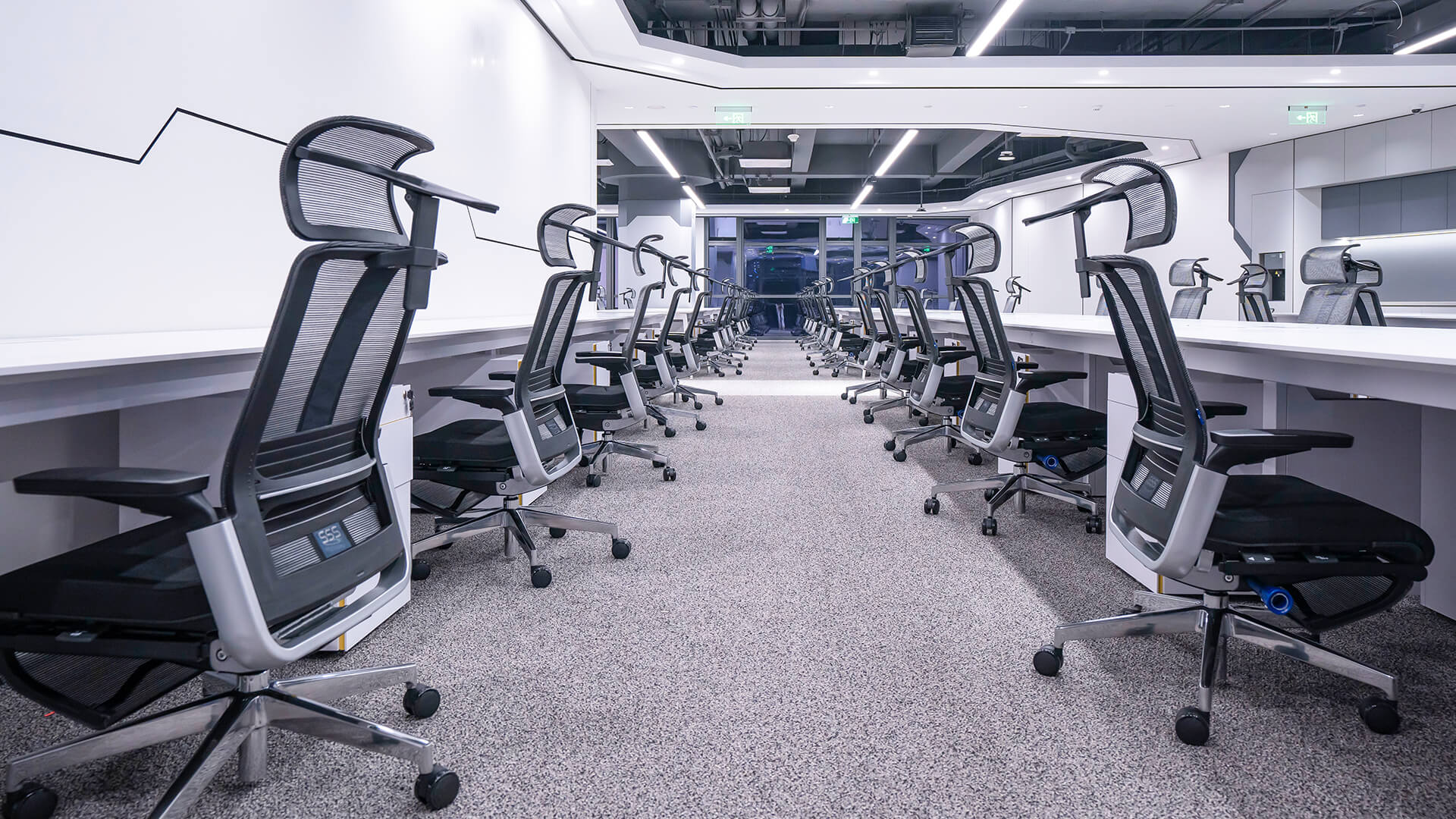
Office Chair Casters for Hard Floors: Fit, Materials & Floor Protection
A wheel that looks softer is not enough to approve a caster change. Facilities teams need a documented match among the floor, the chair base, the caster interface, and the way the chair must roll.When choosing office chair casters for hardwood floors, start with the flooring product and finish, then
/ Read More
How to Clean a Fabric Sofa: Care Codes, Spot Tests & Office Maintenance
A spill on a reception sofa creates two jobs: contain the mess and avoid turning a small mark into permanent damage. Do not reach for a cleaner until you know the installed sofa model, the exact upholstery selection, and the care instructions that apply to that order.The safe answer to how to clean
/ Read More
Office Chair vs Gaming Chair: Adjustments, Fit and Long-Session Use
One chair may need to handle focused work, video calls, mouse-and-keyboard play, controller sessions, and relaxed viewing. A shelf label cannot tell you whether its seat, controls, or support will fit those tasks.For an office chair vs gaming chair decision, start with the exact models.
/ Read More
Task Chair vs Office Chair: What the Labels Actually Tell You
The short answer is that neither name tells a volume buyer enough. An office chair is a broad market category, while a task chair is usually presented as a chair for desk work. Sellers use the terms differently, so the label does not prove a control set, grade, fit, or expected service life.For a fi
/ Read More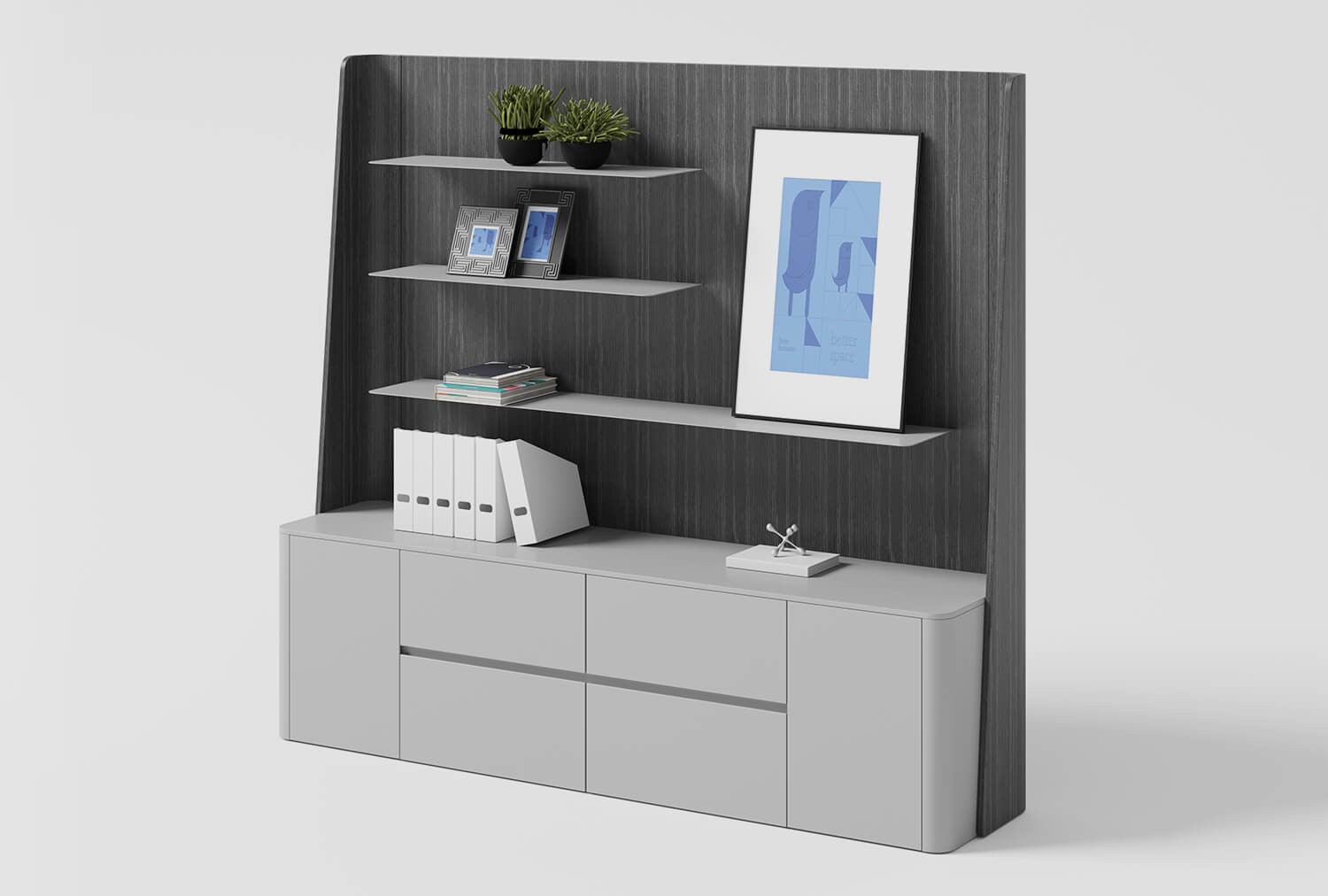
Credenza vs Sideboard: Differences That Matter in an Office
A sideboard can work in an office just as well as a credenza if its storage, dimensions and access suit the job. Credenza often suggests low office or media storage; sideboard more often suggests dining storage. Neither name guarantees file drawers, cable access or a usable place to sit.For an offic
/ Read More
Mesh vs Leather Office Chairs: Heat, Support, Cleaning & Cost
If your chair feels too warm, start by testing an open mesh construction. If you prefer a cushioned seat and a covered back, include a leather or synthetic-covered option in the trial. Neither choice guarantees better support or a longer life.For an office buyer, the mesh vs leather office chair dec
/ Read More