


A useful office furniture maintenance schedule combines regular cleaning, model-specific inspection and service, and immediate action on spills or damage. Start with the filled cleaning timetable below, then add the inspection dates for the desks, chairs and storage you actually use.
The cleaning timetable is an adaptable office example, not a universal repair calendar. A daily wipe and a mechanical inspection are different jobs, even when one person arranges both.
An office furniture maintenance schedule at a glance
For a weekday office, the following routine is a practical starting point for planning cleaning. The first three rows use a real office-cleaning example. The board handover is a suggested meeting-room routine; inspection, service and urgent problems stay on separate tracks.
Example cleaning timetable, with inspection and fault response kept separate | |||
When | Furniture or part | Work to arrange | Basis |
|---|---|---|---|
Each working day | Accessible desks, accessories and furniture surfaces | Remove surface dust using the permitted care method. Leave occupied paperwork undisturbed; users clear their own work area. | Daily cleaning example |
Weekly | Low-reach furniture areas and chair crossbars or rungs, where present | Remove dust from reachable lower surfaces that are missed during desktop cleaning. | Weekly cleaning example |
Monthly | Upholstered seating | Vacuum using a tool and method allowed for the upholstery; attend to fresh spills sooner. | Monthly cleaning example, adjusted to actual soil |
After a shared meeting, before the next group | Whiteboard writing face, eraser and marker area | Erase notes that no longer need to remain, clear permitted residue and return writing tools. Notice visible damage or unexpected looseness while using the board. | Suggested handover routine; follow the board's surface-care instructions |
At the model's inspection or service dates | Chairs, desks, storage and boards: the components listed for each model | Carry out the inspections or service operations listed in the exact model's instructions. Arrange a suitable service person when required. | Manufacturer instructions, not the cleaning calendar |
When a spill, damage or unusual movement appears | The affected item | Deal with the spill using its care method, or remove unsafe furniture from use and arrange repair. | Event response; do not wait for a due date |
Los Angeles County's office lease schedule provides the daily dusting, weekly low-reach cleaning and monthly upholstery-vacuuming example. It describes work at that office, not mandatory intervals for every workplace. Retain only methods allowed for your furniture, and adjust cleaning to how quickly it becomes dirty.

Two mobile glass writing boards with rounded frames and caster bases beside a workstation.
Put scheduled condition checks beside these cleaning jobs, not inside the same tick box. The next section identifies useful things to notice; inspection frequency and permitted adjustments still come from the model's maintenance instructions.
Care and condition checks for each furniture type
Desks and workstations
Include the desktop, exposed edges and accessible frame. Remove dust and spills with the method for the actual finish, keeping liquid away from openings and powered components. During ordinary use, notice a wobble, separating connection or damaged cable; wiping the top does not resolve those faults.
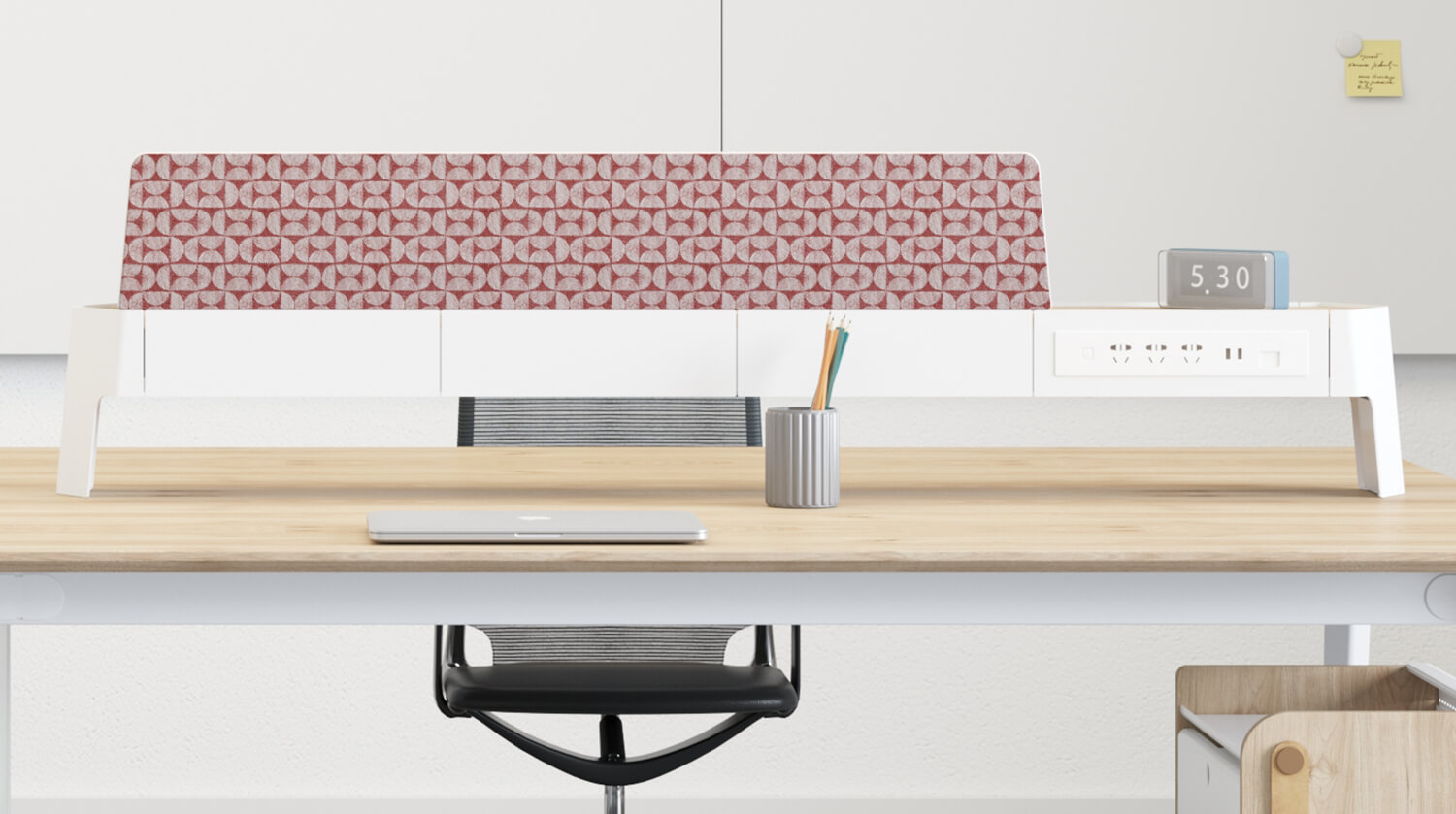
VIVA workstation with desktop, divider, power strip and exposed frame.
Office chairs
Clean the seat, back and arms according to their separate materials. Include reachable seams when the upholstery permits vacuuming. For the working parts, notice a seat that loses height, loose fasteners, damaged feet or casters that no longer roll normally.
CCOHS identifies loose screws, cylinder problems and hair or lint in casters as maintenance concerns. Those are specific parts to include in the chair's inspection plan, not a reason to dismantle the chair during cleaning.
For material-specific methods, use the office chair cleaning guide; keep its cleaning work separate from servicing the mechanism.
File cabinets and other storage
Include handles, fronts and reachable shelf surfaces. Notice a drawer that catches, damaged hinges or a cabinet that moves unexpectedly. Do not force a sticking drawer or treat a loose attachment as a surface-cleaning problem. Leave the normal drawer-opening space clear after cleaning.
Whiteboards
After a meeting: At a shared meeting-room handover, erase notes that no longer need to remain and return the eraser and markers. This is a suggested handover routine, not a universal cleaning interval. Use the whiteboard cleaning guide for the writing surface; fabric panels and the mobile base need their own care.
During condition checks: Include the board face, frame and its supports in the model's condition checks. On a wall-mounted board, notice a loose-looking fixing, a separating frame or movement that was not present before. On a mobile board, notice damaged casters, brakes that do not hold as intended or an unstable base. Do not climb on furniture, pull on the board to test it or dismantle its mounting.
If damaged or unstable: Keep a damaged or unstable board out of use and ask the supplier or suitable installer to assess it. Cleaning cannot correct a cracked face or loose support. The timetable's service row covers the model's checks; the handover row provides a chance to report an obvious change sooner.
Sofas and other upholstered seating
For sofas, separate regular dust removal from wet treatment. The fabric sofa cleaning guide explains how care codes and drying affect the method. Do not schedule every seat for wet treatment immediately before a meeting.
Adjust the dates to the room and the model
Use the room's actual traffic to adjust cleaning dates: if shared arms or handles are dirty before the planned visit, clean them sooner. Keep this separate from model-defined servicing.
Shared desk: have each user remove personal papers at handover, then use the office's permitted surface-cleaning routine before the next user. Keep shared equipment available.
Meeting room: schedule the board and table between bookings. Arrange upholstery treatment only when its required drying conditions fit the available gap, or provide other seating.
Private workstation: keep the small daily cleaning job separate from less frequent access to lower frame surfaces. Ask the user to clear the area instead of moving their documents.
Model service: find the model on its label or order record, then obtain its care and maintenance instructions. Note the named component, inspection task, interval or trigger, and who is permitted to do the work.
CCOHS notes that some chair manufacturers provide an inspection and maintenance schedule. If the instructions are missing or do not cover your usage, send the model and use pattern to the supplier or facilities contact and ask for the applicable plan. Do not fill the gap with a generic quarterly tightening or annual lubrication rule.
Record the item, completed job, fault found and next action. The note should make the next visit easier, not replace an inspection.
Problems that should not wait for the next visit
Take a chair out of normal use if it is damaged, unexpectedly unstable or no longer holds its position. HSE's seating guidance recommends regular checks for damage and excessive wear, with unsafe seating removed or made safe. Gas-lift mechanisms require expert attention; do not open one as a routine maintenance task.
A desk or cabinet becomes unstable, or a structural connection separates: prevent further use and arrange appropriate assessment. Do not improvise screws, glue or extra supports.
A drawer or mobile board starts catching: stop forcing it. Describe the affected part and the change in normal movement to the supplier or service provider.
An electrical cable or component is visibly damaged: stop using the affected equipment and arrange competent electrical help. Keep that work separate from surface cleaning.
A spill reaches upholstery: use the permitted treatment and keep the item unavailable for the required drying. If the method is unclear, obtain the material's care instructions before applying a cleaner.
CCOHS office-safety guidance also highlights damaged electrical equipment and cabinet-opening hazards. After any cleaning or rearrangement, leave drawers and circulation routes unobstructed.
Questions about the schedule
Can identical chairs share one maintenance entry?
They can share planned work when their model, finish, usage and instructions match. Keep a way to identify individual damaged or treated chairs. Moving one to a busier room may change its cleaning needs.
What if a cleaner arrives while desks are covered with papers?
Ask users to clear the surfaces that need cleaning. Do not move confidential or active documents simply to complete a routine visit. Reschedule the inaccessible part of the job rather than pretending it was cleaned.
What changes after a cushion cover or component is replaced?
Keep the replacement's material and care information with the item. A matching color does not establish the same fabric, coating or permitted cleaning method.
Put the next furniture jobs on the calendar
Start with the cleaning rows that fit your office, add the actual model inspection dates, and give people a clear way to report faults between visits. Each entry should name a real job, not simply say furniture maintenance.
For an existing VIVA Double Row workstation, use its product inquiry to obtain care information for your model and finish.
Request the matching care instructions: Include the model or order reference and the part that needs attention. SpaceUnited product inquiry


What is Modular Office Furniture? A Complete Guide
What are the Different Types of Office Chairs?Sitting in a busy office, struggling with daily tasks, and the glow of computer screens is already a norm for you. But sitting on the wrong chair? That shouldn’t be. Office chairs are the most important tools needed in an office as they shape your comfor
/ Read More
SpaceUnited: Our Office Furniture is Now Live on MIC, Dec 16, 2025
SpaceUnited: Office Furniture Officially Launched on MIC – Dec 16, 2025We are thrilled to share exciting news with old and new friends from around the world: on December 16, 2025, SpaceUnited’s full range of office furniture products officially launched on Made-in-China.com (MIC). This milestone mar
/ Read More