


The right manager office desk transforms the daily experience in any workspace. He gains efficiency, comfort, and a professional look with a desk that fits his needs. When choosing a manager office desk, he must consider size, material, and design to match his workflow. > Reflecting on personal workspace habits helps anyone make a confident decision that supports success.
Key Takeaways
Measure your workspace accurately to ensure the desk fits well and allows for easy movement.
Choose desk materials that match your style and durability needs, balancing aesthetics with functionality.
Select an ergonomic desk height to improve comfort and productivity, considering adjustable options for flexibility.
Incorporate smart storage solutions to keep your workspace organized and clutter-free, enhancing efficiency.
Invest in a high-quality desk that reflects your leadership style and supports your workflow for long-term value.
Manager Office Desk Size & Space
Measuring Your Workspace
Selecting the right manager office desk starts with accurate measurements. He should never guess the size of his office. Instead, he can follow these steps for a precise fit:
Sketch a simple floor plan to visualize the office layout.
Measure each wall from corner to corner for length and width.
Check the ceiling height and note any beams or vents.
Measure doorways and hallways to ensure the desk fits through.
Identify and measure any fixed obstacles, such as columns or built-in cabinets.
Tip: He can use painter’s tape to outline the desk’s footprint on the floor. This method helps him see how much space the desk will occupy and how easily he can move around it.
He should always double-check his measurements before making a purchase. This careful approach prevents costly mistakes and ensures the new desk enhances the workspace.
Desk Clearance & Layout
A manager office desk must fit the room without creating a cramped environment. The following table shows the recommended desk sizes for executive offices:
Desk Type | Width (inches) | Depth (inches) |
|---|---|---|
Compact Executive | < 60 | N/A |
Medium Executive | 60 - 72 | N/A |
Large Executive | 72 - 84 | N/A |
Standard Executive | 60 - 84 | 30 - 42 |
He should also consider clearance and movement:
Allow 18"-30" for a chair at the desk.
Leave 36"-42" for chair movement.
Maintain 24"-36" for clear passages between desks.
Ensure 36" of clear walking space for main pathways.
“Traffic flow dictates how easily you can move between your primary workstation and other essential functional areas, such as printer stations or break areas. Industry standards recommend maintaining at least thirty-six inches of clear walking space for all primary pedestrian pathways.”
A well-planned layout prevents clutter and boosts productivity. He should choose a desk size that supports his daily tasks but leaves enough room for easy movement and a professional atmosphere.
Choosing a Manager Office Desk: Material & Durability
Desk Material Options
Selecting the right material for a manager office desk shapes both the look and the lifespan of the workspace. He should compare the most popular materials before making a choice. Many executive desks feature solid wood, wood veneer, melamine, laminates, glass, metal, sustainable materials, or combinations. Each option offers unique benefits and challenges.
Material | Durability | Maintenance Requirements |
|---|---|---|
Highly durable, can be refinished | Requires periodic polishing and care | |
Wood Veneer | Less durable than solid wood | Needs careful cleaning to avoid damage |
Melamine | Scratch and moisture resistant | Easy to clean, minimal maintenance needed |
Laminates | Stain and scratch resistant | Simple cleaning, low maintenance |
Glass | Sleek, modern look | Regular cleaning to avoid smudges |
Metal | Strong and stable | Generally low maintenance, occasional cleaning |
Sustainable | Durable and renewable | Varies by material, often low maintenance |
Combination | Offers durability and style | Maintenance depends on materials used |
He should consider how each material fits the office’s style. Solid wood brings warmth and authority. Glass and metal create a modern, sleek atmosphere. Laminates and melamine offer practical durability for busy environments. Sustainable materials appeal to those who value eco-friendly choices.
Tip: He can match the desk material to other office furniture for a unified look. This approach boosts the professional image and creates a welcoming space.
Durability & Maintenance
Durability matters for executive desks that see daily use. Solid wood stands up to years of work but needs regular care. Laminates and melamine resist scratches and stains, making them ideal for high-traffic offices. Glass desks require frequent cleaning to stay spotless. Metal desks last long with minimal upkeep.
He should select a manager office desk that balances durability with maintenance needs. A desk that matches his style and workflow will support productivity and keep the office looking sharp.
Ergonomic Design for Managers
Ideal Desk Height
A manager gains a clear advantage by choosing a desk with the right height. Research shows that height-adjustable sit-stand desks improve posture and boost productivity. These desks allow managers to switch between sitting and standing, which helps prevent discomfort and keeps energy levels high. Adjusting desk height supports an upright posture and proper arm alignment. This flexibility lets each person customize their workspace, leading to better focus and well-being.
The ideal desk height depends on body height. The following table helps managers select the best option for their needs:
Body Height [cm] | Sitting Desk Height [cm] | Standing Desk Height [cm] |
|---|---|---|
150 | 54 - 59 | 90 - 97 |
160 | 59 - 64.5 | 96 - 104 |
170 | 63.5 - 70 | 102 - 110.5 |
180 | 68.5 - 75.5 | 108 - 117 |
190 | 73 - 81 | 114 - 124 |
Tip: He should choose a manager office desk with adjustable height features to support both sitting and standing positions.
Comfort & Productivity
Comfort drives productivity in any office. Ergonomic features reduce the risk of musculoskeletal disorders and keep managers focused throughout the day. The most important ergonomic features include:
Proper monitor height to prevent eye strain and neck pain
Adjustable ergonomic chairs for good posture and lower back support
Keyboard trays to position the keyboard correctly and reduce wrist strain
Footrests for leg support, especially for shorter individuals
Wrist supports to ease pressure while typing
Anti-fatigue mats for standing desks
Document holders to prevent neck and eye strain
A manager office desk with these features creates a healthier workspace. Ergonomic designs boost productivity by aligning with natural movements and reducing discomfort. Adjustable chairs and desks help prevent health issues, while personalized workstations increase engagement and satisfaction. Standing desks enhance focus and energy. Investing in ergonomic solutions leads to long-term benefits, including fewer absences and higher productivity.
Managers who prioritize ergonomic design enjoy greater comfort, improved health, and higher performance every day.
Storage Solutions
Built-in Drawers & Organization
A manager’s office desk needs more than just a flat surface. Built-in drawers and smart storage features transform a desk into a command center. He can choose from several storage solutions that boost organization and accessibility. The most effective options include full built-in systems, custom storage, and tiered desk organization. Each type offers unique benefits for different work styles.
Storage Solution Type | Key Features | Best For |
|---|---|---|
Full Built-In System | Designed around workflow, efficient use of space, high durability | Long-term investment |
Custom Storage | Tailored for unique spaces and devices, supports long-term use | Personalized needs |
Tiered Desk Organization | Immediate, daily, and periodic access to items for better workflow | Organized workspace |
He should organize his drawers by priority. Items used every hour—like a keyboard, mouse, or notebook—belong in the top tier. Daily-use items, such as reference manuals, fit in the next drawer. Supplies needed weekly or monthly, like archived files, stay in the lowest tier. Adding small bins inside drawers creates a home for each item, making it easy to find essentials and keep clutter away.
Corner desks with integrated storage maximize organization. These desks fit both small and large offices, offering customizable layouts and reducing clutter by providing designated spots for documents and supplies.
Keeping the Workspace Tidy
A tidy workspace signals professionalism and supports efficiency. Built-in storage increases usable floor area by up to 25%, using space that often goes to waste. This extra room helps managers focus, as a clutter-free environment improves concentration and reduces distractions. Companies have even reported saving up to $1,800 per month by cutting clutter management costs.
To maintain order, managers should:
Remove unnecessary items that take up space.
Arrange tools in logical, easy-to-access locations using labeled bins.
Clean work surfaces and equipment regularly.
Develop clear procedures for keeping the desk organized.
Encourage consistent habits among all team members.
Tip: He can follow the 5S method—Sort, Set in Order, Shine, Standardize, Sustain—to create a routine that keeps his workspace spotless and efficient.
A well-organized desk with built-in storage not only looks impressive but also drives productivity and supports long-term success.
Desk Surface & Workflow
Spacious Work Area
A manager needs a desk that offers enough space for all essential tools. A cramped surface slows down work and creates frustration. The right desk surface supports multiple monitors, documents, and office equipment without feeling crowded. The following table shows recommended desk dimensions for managers who handle several devices and paperwork:
Recommendation | Details |
|---|---|
Minimum Desk Length | At least 55-70 inches long |
Minimum Desk Depth | 25-30 inches deep |
Ideal Desk for Dual 24-inch Monitors | 60-inch desk |
Features of Recommended Desks | Extended wings, adjustable height, cable management |
He should choose a desk that matches his daily needs. Large office desks, executive desks, L-shaped desks, and U-shaped workstations all provide different benefits. The table below highlights their sizes and uses:
Desk Type | Width (inches) | Depth (inches) | Purpose/Notes |
|---|---|---|---|
Large Office Desks | 60-72 | 30-36 | Suitable for extensive workspace, multiple monitors, and better organization. |
Executive Desks | 66-84 | 30-42 | Provides professional presence, meeting capability, and technology accommodation. |
L-Shaped Desks | 48-60 (primary) | 20-30 (each leg) | Creates distinct work zones for different tasks. |
U-Shaped Workstations | 10-12 feet | 6-8 | Maximum workspace with multiple zones and extensive storage integration. |
A spacious desk surface allows managers to spread out documents, use technology, and stay organized. This setup boosts efficiency and creates a professional impression.
Supporting Daily Tasks
A manager’s desk must do more than look good. It should support every part of the daily workflow. Modern desks now include features that help managers work smarter and faster. The best desks offer:
Collaboration tools for real-time teamwork and file sharing
Analytics to track performance and improve resource use
Security features to protect sensitive information
Scalability for growing businesses
Seamless integrations with tools like Slack or Microsoft Teams
He should also look for smart features, such as wireless charging and voice recognition. These additions save time and reduce clutter. Prioritizing ergonomics and comfort leads to better health and higher productivity. Assessing workspace requirements, including size, layout, and storage, ensures the desk fits both current and future needs.
A well-chosen desk surface transforms the workspace into a command center. Managers who invest in the right desk enjoy smoother workflows, fewer distractions, and greater success.
Budget Considerations
Balancing Cost & Quality
A manager should view his office desk as a long-term investment. High-quality desks often cost between $1,500 and $5,000. This price range brings improved materials, better construction, and extra features that support daily work. Choosing a desk in this range means fewer repairs and replacements over time. Quality construction increases the total value and lowers the true cost of ownership. Many top desks also include comprehensive warranties. These warranties show that manufacturers trust their products to last.
Price Range | Features and Durability |
|---|---|
$1,500 - $5,000 | Improved materials, better construction, and additional features. |
Long-term Value | Quality construction affects long-term value and total cost of ownership. |
Warranty Coverage | Comprehensive warranties indicate manufacturer confidence in product quality. |
He should compare options carefully. A lower price may seem attractive, but it often means sacrificing durability or missing out on important features. Investing in a well-built desk pays off with years of reliable use and a professional appearance.
Tip: He can ask about warranty details and after-sales support before making a final decision.
Features Within Your Budget
Every manager wants the best features without overspending. He should list the must-have features for his workspace, such as adjustable height, built-in storage, or cable management. Next, he can rank these features by importance. This approach helps him focus on essentials and avoid paying for extras he will not use.
A smart buyer looks for desks that balance price and function. Many brands offer mid-range models with premium features at a lower cost. He should check for seasonal sales or bulk discounts if furnishing multiple offices. Comparing reviews and warranty terms helps him spot the best value.
A well-chosen desk supports productivity and creates a strong impression. By setting a clear budget and sticking to key features, a manager can create a workspace that meets his needs and reflects his leadership style.
Matching Office Layout & Style
Desk Design & Authority
A manager’s desk shapes the atmosphere of the office. The right design signals leadership and professionalism. People notice the desk first when they enter the workspace. It becomes the center of activity and decision-making. The desk’s style and placement affect how others view the manager’s authority. A well-chosen desk boosts confidence and sets the tone for the entire team.
The desk acts as the nucleus of the workspace, driving productivity.
Its design enhances the visual appeal, creating a professional environment.
Placement and style influence workflow and spatial dynamics.
The desk represents the company’s values and culture, showing authority.
Managers who select a desk with strong lines and quality materials project confidence. A desk with a bold design tells visitors that the manager leads with purpose. The workspace feels organized and efficient. Employees respect the manager’s position and follow his direction. The desk’s design helps build trust and motivates the team.
Tip: He should choose a desk that reflects his leadership style and matches the company’s brand.
Coordinating with Office Furniture
Matching the desk with other office furniture creates a unified look. Consistency in style and finish makes the workspace feel organized and welcoming. Managers should select desks that complement chairs, storage units, and meeting tables. This approach improves the office’s visual harmony and supports teamwork.
The table below shows popular desk styles and finishes that fit modern office layouts:
Desk Style | Description |
|---|---|
Laminate Desks | Durable, easy to maintain, available in many finishes, providing a clean professional look. |
Executive Desks | Larger, substantial desks that create a strong professional impression, suitable for management offices. |
Minimalist Desks | Clean lines and simple surfaces, ideal for a lighter, more open look in modern offices. |
Metal-framed Desks | Contemporary look, pairs well with modern task chairs and other office furniture. |
Wood-look Desks | Offers warmth of wood without high costs, making offices feel established and welcoming. |
Height-adjustable Desks | Allows flexibility in working positions, enhancing comfort for employees. |
Storage-focused Desks | Includes drawers and storage options, catering to employees handling paperwork and supplies. |
Matching Desks | Creates a consistent look in shared work areas, enhancing organization and professionalism. |
Managers who coordinate desk style with other furniture create a workspace that feels balanced and efficient. The office looks polished and ready for business. Employees feel comfortable and motivated. Clients see a professional environment that inspires trust.
He should select finishes and styles that match the office’s layout and support the company’s goals. A unified design helps everyone work better together.
Choosing the best manager office desk involves more than style. He should measure his workspace, set a clear budget, and focus on workflow needs. Experts recommend prioritizing ergonomic features, durable materials, and reliable suppliers. Managers who personalize their workspace, organize efficiently, and manage aesthetics create a productive environment. The table below highlights practical tips for boosting efficiency and avoiding common mistakes:
Tip | Solution |
|---|---|
Declutter drawers | Use dividers and regular cleaning |
Manage cables | Invest in cable management tools |
Maximize vertical space | Add shelves and monitor stands |
Combine style and function | Choose desks with storage and visual appeal |
FAQ
What is the best desk shape for a manager’s office?
Managers often choose L-shaped or U-shaped desks. These shapes offer more workspace and help organize daily tasks. A larger desk signals authority and supports multitasking. He should select a shape that fits the room and matches his workflow.
How can a manager keep his desk clutter-free?
He should use built-in drawers, cable organizers, and desktop trays. Regular cleaning and sorting help maintain order. Following the 5S method—Sort, Set in Order, Shine, Standardize, Sustain—keeps the workspace tidy and efficient.
Does desk color affect productivity?
Yes. Lighter colors create a calm, open feel. Darker finishes project authority and focus. He should match the desk color to the office style and personal preference. The right color boosts mood and supports a professional image.
How often should a manager replace his office desk?
A high-quality desk lasts 10–15 years. He should replace the desk if it shows signs of wear, becomes unstable, or no longer meets his needs. Investing in a durable desk reduces long-term costs and supports productivity.

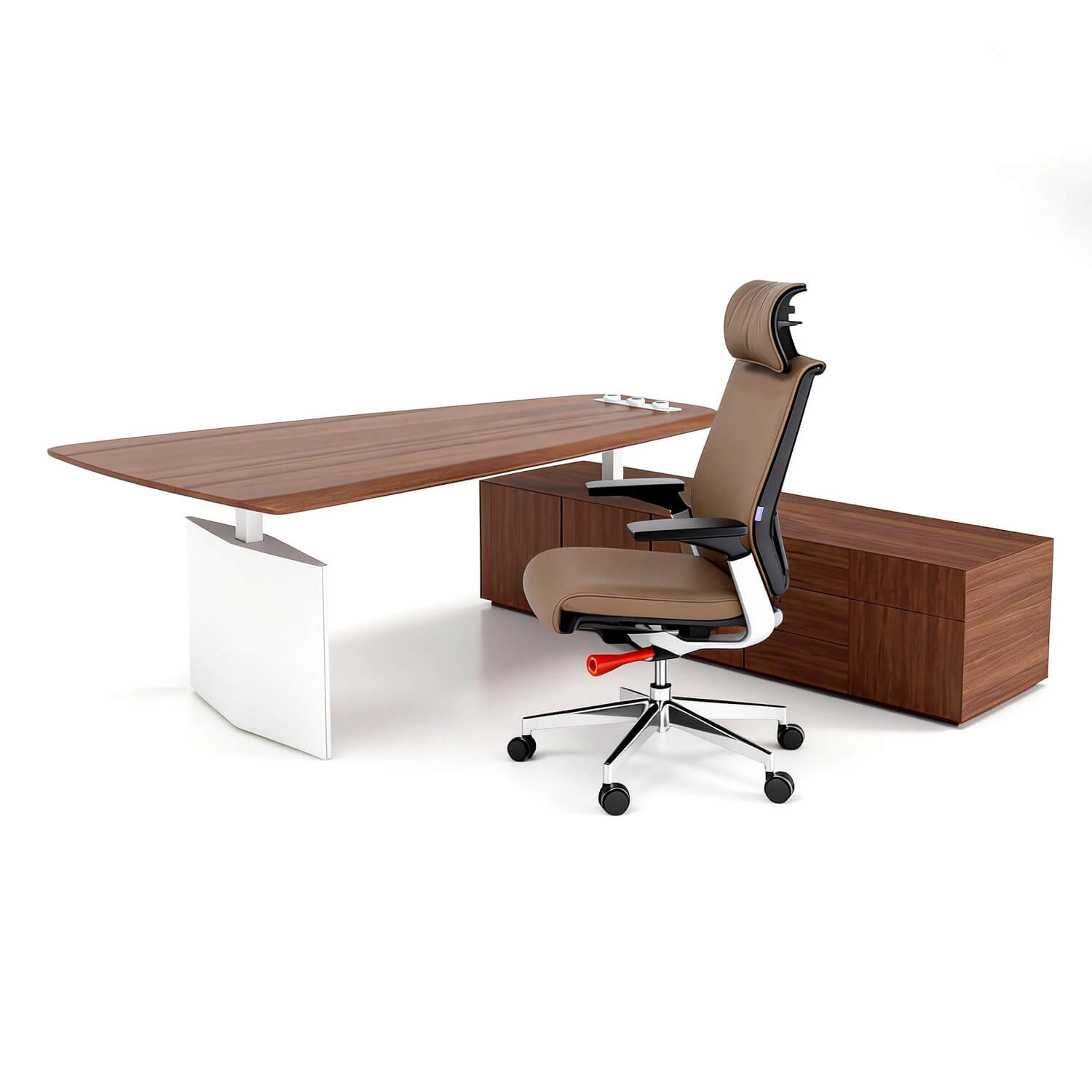


What are the different types of modern office desks?
You can pick from executive desks, modular staff benching, collaborative tables, and special training desks. The right modern office desk helps you feel comfortable and work better. If your desk fits your work and space, you can focus more and have more ideas.
/ Read More
What is the best office chair for sitting all day?
The best office chair for sitting all day gives great support and comfort. It also helps keep your body healthy. SpaceUnited is a top company for ergonomic office furniture. They make smart chairs that help people feel better at work. Studies show an ergonomic office chair can help you work better.
/ Read More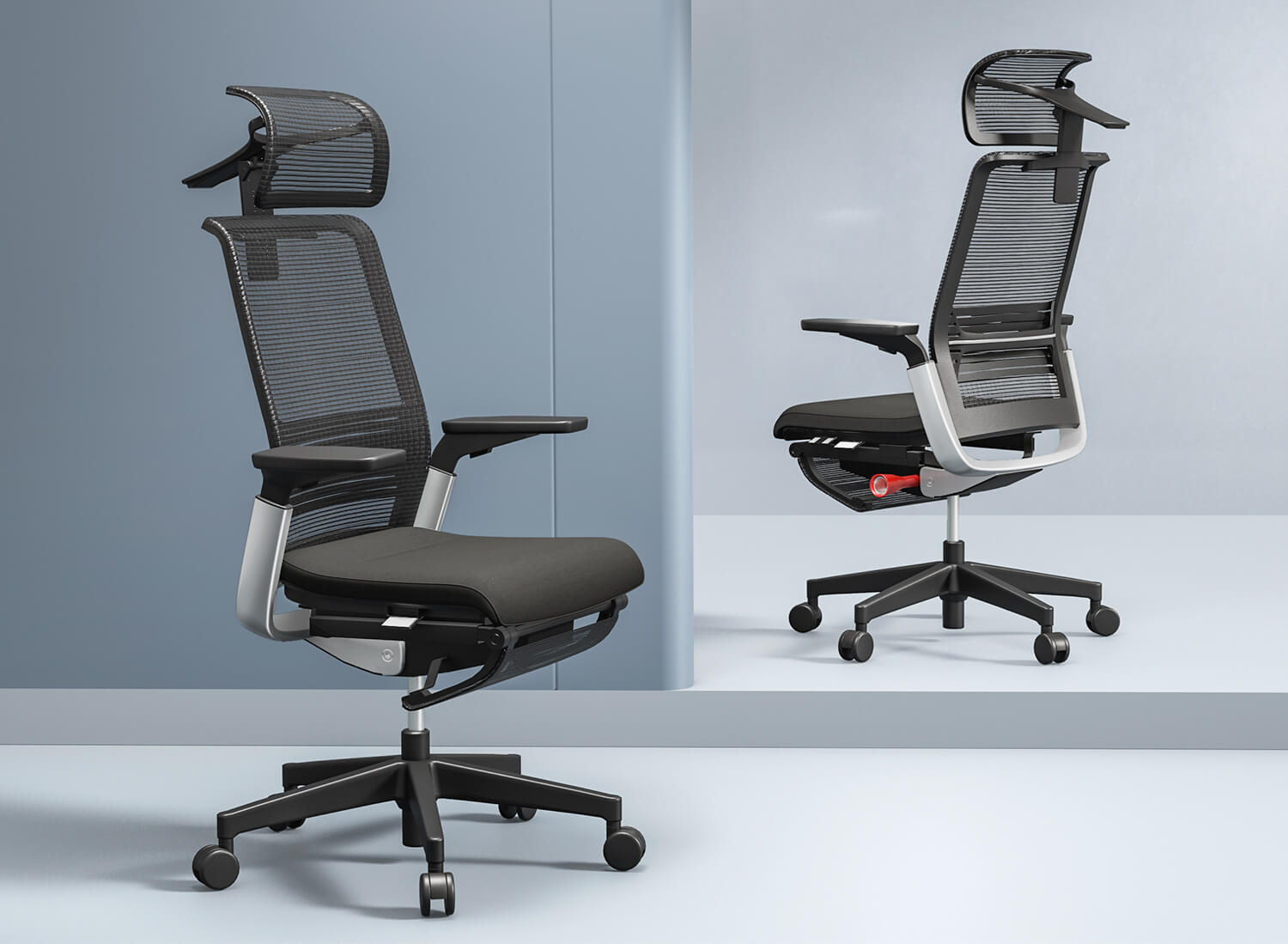
What are the ergonomic considerations for an office chair?
An office chair should have many ergonomic features. These features help people stay comfortable and healthy at work. You should look for adjustability, lumbar support, seat height, armrests, tilt, good material, and a strong base. These things stop pain, help you focus, and keep your posture good.
/ Read More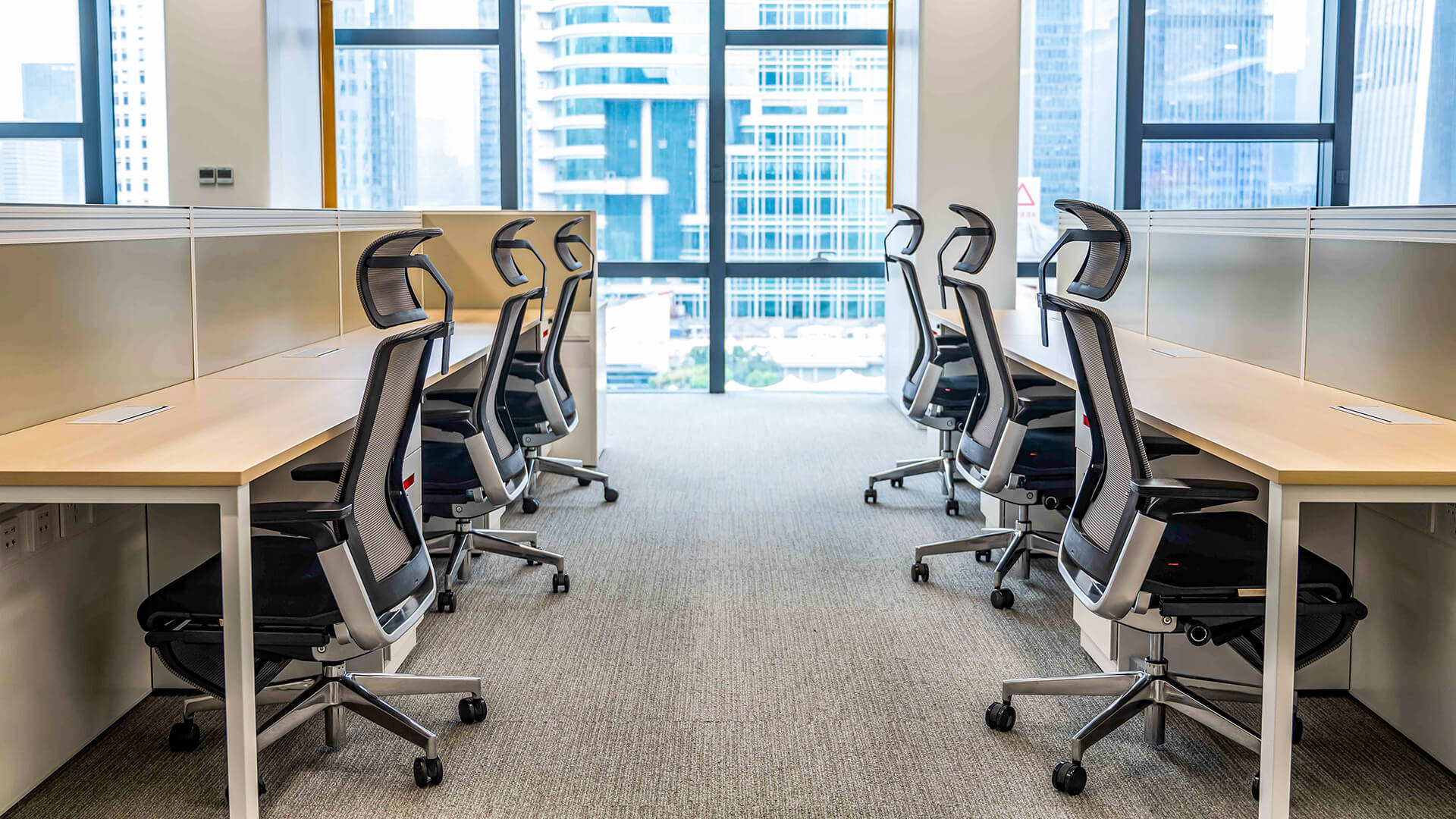
How to properly adjust an office chair for optimal comfort?
Many people sit at desks and ask why their backs hurt or shoulders feel tight. An office chair that fits well can help a lot. Changing things like lumbar support, seat depth, and armrests lowers strain. It keeps your body relaxed and helps you sit in a healthy way. SpaceUnited makes ergonomic office
/ Read More
What are the different types of office chairs?
When you walk into a modern office, you will see many types of chairs. There are swivel, ergonomic, modern, visitor, leather, and mesh chairs. Each type gives something special to your workspace. SpaceUnited offers new ideas for all these office chairs. This helps you find the chair that fits your n
/ Read More
what are the benefits of using a modern office desk?
You want your workspace to help you focus and feel good. You also want to work in a smart way. A modern office desk gives you these things. You can change your desk to fit what you need. You will have a cleaner and neater space. Studies show ergonomic desks help you get more done.
/ Read More
How to choose the right modern office desk?
You deserve a workspace that boosts your productivity and comfort. Start by checking the size of your room and picking a modern office desk that fits well. Think about the materials—wood adds warmth and a modern feel. Look for built-in drawers or shelves to keep your supplies tidy.
/ Read More
What Type Of Furniture Is Most Desirable For An Office?
What are the Different Types of Office Chairs?Sitting in a busy office, struggling with daily tasks, and the glow of computer screens is already a norm for you. But sitting on the wrong chair? That shouldn’t be. Office chairs are the most important tools needed in an office as they shape your comfor
/ Read More