


The shape of large conference tables affects how people talk in meetings. A good design helps more people join in and ensures everyone can speak. People see that round or oval large conference tables help everyone take part, but rectangular tables make things more organized and less lively.
Picking the best large conference tables shape helps teams work together and make choices.
Table Shape | Impact on Engagement |
|---|---|
Round/Oval | Helps everyone talk and join in equally. |
Rectangular | Makes some people feel more important and lowers talking. |
Key Takeaways
Pick round or oval tables for meetings where everyone should talk. These shapes help people share ideas easily.
Use rectangular or boat-shaped tables for meetings with a leader. These shapes keep things organized and clear.
Think about the room shape when choosing a table. Rectangular tables fit in long rooms. Round tables are good for square rooms.
Choose U-shaped tables for presentations or focused talks. This shape lets everyone see the speaker and join in.
Go with modular tables if you want flexibility. You can move them around for different meetings and team needs.
Why Table Shape Matters in Meetings
Communication and Interaction
The shape of a table changes how people talk in meetings. Teams see that round tables help everyone join in. There is no head seat, so all feel welcome. This shape lets people share ideas and listen better. Rectangular tables feel more formal. The person at the end often leads the talk. This works for executive meetings but can stop open talks. Picking the right table shape helps teams work together. It also makes sure everyone gets to speak.
Tip: Pick a table shape that fits how your team talks. This helps your meetings go better.
Table Shape | Influence on Dynamics | Description |
|---|---|---|
Rectangular | Makes meetings feel formal | Good for focused talks, best for executive meetings and workshops. |
Round | Helps everyone join in | No one leads the table, so talks are fair and people connect more. |
Room Layout and Space Use
How you set up the room changes how tables fit. A good setup saves space and keeps the room nice. Rectangular tables fit well in long rooms. Round tables are best for square rooms. This lets everyone see each other. The right setup makes it easy to move and talk. Good space use means better air and less crowding.
Meeting Types and Goals
Different meetings need different table shapes. Teams who want open talks should use round or oval tables. These shapes help people work together and feel equal. For talks or making choices, rectangular tables help leaders guide the group. The table shape should match what the meeting needs. This helps people talk better and makes meetings work well.
Rectangular and Boat-Shaped Tables for Large Conference Rooms
Rectangular and boat-shaped tables are great for big rooms. These shapes work well in boardrooms where rules matter. Many companies pick these tables to help teams stay organized. The tops are big enough for papers, laptops, and other things.
Pros of Rectangular and Boat-Shaped Tables
Rectangular tables show who is the leader. The person at the end can lead the talk and keep things going. This setup is good for important meetings and talks. Everyone can see and hear the speaker easily. Boat-shaped tables look modern and stylish. Their curved sides help people see each other better. This makes it easier for people to work together and talk. The design helps teams work together but keeps things neat.
Tip: Teams that need to make choices and have a leader should use rectangular or boat-shaped tables.
Here is a quick look at why these shapes are liked:
Table Shape | Description |
|---|---|
Rectangular | Most common shape, good for big meetings, lets everyone see the speaker. |
Boat-shaped | Curved sides look cool, good for boardrooms and group talks. |
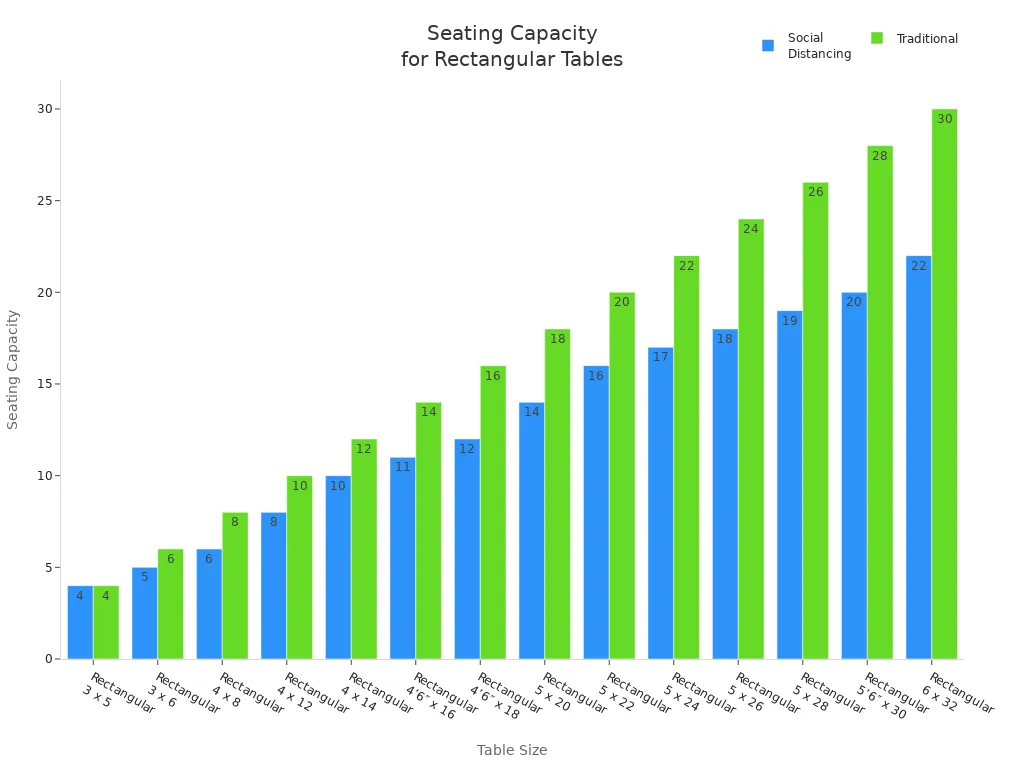
Seating is important in big conference rooms. Rectangular tables can fit lots of people, so they are good for big groups. Boat-shaped tables also fit many people, depending on their size.
Table Length | Seating Capacity |
|---|---|
10 ft | 8-10 people |
12 ft | 10-12 people |
14 ft | 12-14 people |
16 ft | 14-16 people |
18 ft | 16-18 people |
20 ft | 18-20 people |
Cons of Rectangular and Boat-Shaped Tables
These tables have some downsides. Rectangular tables can make people feel less important if they sit far from the leader. This setup can stop open talks and make meetings feel strict. Boat-shaped tables help people see better but still show who is in charge. Both shapes use lots of space, so they may not fit in small rooms. Moving these big tables is hard because they are heavy.
Note: Teams that want more open talks or a relaxed feeling might like other table shapes.
U-Shape Tables for Focused Meetings
Pros of U-Shape Tables
U-shape tables make people feel like they are in a group. This helps teams pay attention during meetings. Everyone sits around the table and can see each other. The open part is like a stage for the speaker. The presenter stands there and shares ideas. People do not need to turn their heads to see the speaker. This keeps everyone focused and makes talks better.
The U-shape lets people see each other like at a round table. It also helps them pay attention like in a classroom. People can look across the open space and talk to others. This helps everyone share ideas. It is easy to walk around the table. People can join or leave without bothering anyone. Big conference tables in a U-shape use space well and fit many room sizes.
Advantage | Description |
|---|---|
Enhanced Interaction | Helps people talk face-to-face, which is good for teamwork. |
Presentation-Friendly | Makes it easy for everyone to see the speaker during presentations. |
Space Efficiency | Uses space well and lets people move around the table easily. |
Versatility | Works for many meeting types and fits different rooms. |
Inclusivity | Makes sure everyone can join the talk and feel included. |
Tip: U-shape tables help teams stay focused and make meetings better.
Cons of U-Shape Tables
Some people may sit far from the speaker and feel less involved.
The open end means fewer seats than rectangular tables.
U-shape tables need big rooms, so small rooms may not work.
It can be harder to set up screens or microphones with this shape.
Cleaning and moving the table takes longer because of its design.
Note: Teams should think about room size and meeting needs before picking a U-shape table.
Round and Oval Tables for Collaboration
Pros of Round and Oval Tables
Round and oval tables create a welcoming space for everyone. These shapes help teams feel equal. No one sits at the head, so every voice matters. People can see each other easily, which makes talking simple. This design supports open dialogue and strong collaboration. Many leaders choose round tables for large conference tables when they want everyone to join in. In meetings, these tables encourage people to share ideas and listen to each other.
Round and oval tables work well for group discussions. They help teams build trust and work together. In many settings, people use round tables to make everyone feel included. This sense of community leads to better teamwork. The smooth table tops also make it easy to pass papers or share materials.
Tip: Round and oval tables help teams connect and make meetings more productive.
Cons of Round and Oval Tables
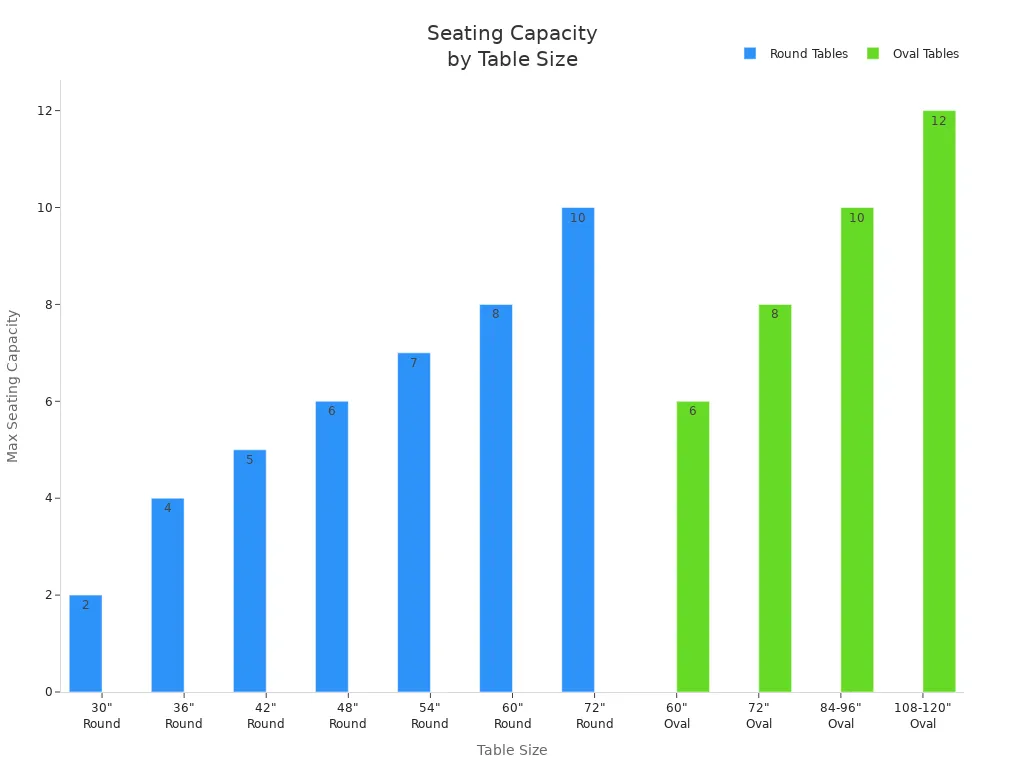
Round and oval tables have some limits. They do not fit as many people as rectangular tables. Large conference rooms may need more than one table for big groups. The seating capacity depends on the size of the table tops. For example, a 72-inch round table seats up to 10 people, while a 120-inch oval table seats up to 12.
Table Size | Seating Capacity |
|---|---|
30" Round Table | 2 |
36" Round Table | 2-4 |
42" Round Table | 4-5 |
48" Round Table | 5-6 |
54" Round Table | 6-7 |
60" Round Table | 7-8 |
72" Round Table | 8-10 |
60" Long Oval Table | 5-6 |
72" Long Oval Table | 6-8 |
84"-96" Long Oval Table | 8-10 |
108"-120" Long Oval Table | 10-12 |
Some rooms may not fit a large round table. Moving these tables can be hard because of their shape. Teams should think about the number of people and the size of the room before choosing this design.
Modular and Pod Tables for Flexible Meetings
Pros of Modular and Pod Tables
Modular tables let teams change their meeting space fast. People can move tables to make quiet spots or open areas. This helps different work styles and makes people happy. Modular tables work for private talks or big group meetings. Teams can set up the space for their project. More companies want these tables because they save space.
Tip: Modular tables give teams the flexibility they need at work.
Many companies pick modular tables to cut down on noise and help people work better. Teams can change the room for talks, brainstorming, or training. Pod tables are good for small groups who need to work together. The design of modular tables makes custom setups easy.
Configuration Type | Description |
|---|---|
Straight Rectangular | A line of tables for normal meetings |
T-shape | Good for talks with a clear speaker |
U-shape | Helps people talk and see the presenter |
Hollow Square | Lets everyone join the group talk |
Hybrid Layouts | Special setups for different needs |
Modular tables fit any room size.
Pod tables help teams work together and be creative.
Flexible setups keep teams working well.
Cons of Modular and Pod Tables
Modular tables sometimes need extra planning. Teams have to spend time setting up before meetings. Some setups may not fit every room. Pod tables can make big groups feel split up. Modular tables can cost more than fixed tables because of their design. Moving these tables can slow things down if not done right.
Note: Teams should check their room size and meeting needs before picking modular tables.
Some people may get distracted by lots of changes. Modular tables need care to keep working well. Teams must balance being flexible with staying organized to avoid problems.
Comparing Table Shapes for Large Conference Tables
Summary Table of Pros and Cons
Picking the right conference table shape changes how teams work. Each shape has good points and some problems. The table below shows how each design fits big rooms.
Table Shape | Pros | Cons | Seating Capacity | Best For |
|---|---|---|---|---|
Rectangular | Maximizes seating, supports leadership, efficient layout | Can feel formal, limits open discussion | Highest (6–20+) | Boardrooms, structured meetings |
Boat-Shaped | Modern look, better sightlines, high capacity | Still shows hierarchy, needs space | High (8–18) | Executive meetings, group talks |
U-Shaped | Great for presentations, easy interaction, flexible | Needs large room, fewer seats than rectangular | Moderate (8–16) | Training, workshops, focus groups |
Round/Oval | Promotes equality, open dialogue, inclusive atmosphere | Lower capacity, needs wide room | Moderate (4–12) | Collaboration, creative sessions |
Modular/Pod | Flexible, supports many layouts, adapts to needs | Setup time, can split groups, higher cost | Varies (small–large) | Dynamic teams, changing needs |
Rectangular tables fit the most people. Their straight sides help teams add more seats. U-shaped tables are good for speakers to talk to everyone. Round tables let everyone share ideas. Modular tables can be moved to fit each meeting.
Tip: Teams should pick a table shape that matches their meeting goals. The right table helps people join in and makes meetings better.
A good table setup helps everyone feel part of the group. Teams who want to work well together should choose a shape that fits their room and how they like to meet.
How to Choose the Best Table Shape
Match Shape to Meeting Needs
Picking the best table shape starts with knowing your meeting’s goal. Teams should ask what they want to do in the meeting. Some meetings need a leader to guide everyone and make choices. Other meetings need everyone to talk and share ideas. The table shape can help with these goals.
Factor | Description |
|---|---|
Purpose of the Meeting | The table shape should match how the room will be used, like for meetings or conferences. |
Room Size | The size of the room can change which table shape fits best. |
Seating Capacity | Think about how many people will come to pick the right size and shape. |
Rectangular tables are good for meetings where a leader needs to talk and make decisions. These tables help leaders keep the group on track. Round tables are better for teamwork and make everyone feel welcome. They help people share ideas and talk more. U-shaped tables are great for presentations and let everyone see the speaker. Modular tables can be moved around for different group sizes and needs.
Teams should pick a table shape that matches how they meet. This helps everyone join in and makes meetings better.
Consider Room Layout
The way the room is set up is important when picking a table. The room’s size and shape decide how well the table fits and how people talk. A good setup lets people move easily and keeps the room comfy.
Room Size | Recommended Table Shapes |
|---|---|
Small Collaboration Rooms | Round or oval tables help everyone join in. |
Medium Meeting Rooms | Rectangular, boat-shaped, or oval tables mix formal and friendly. |
Large Boardrooms | Rectangular or boat-shaped tables work best. U-shaped or hollow square tables help people see each other. |
Training Rooms | U-shaped tables let everyone face the speaker. |
Hybrid Spaces | Oval or boat-shaped tables help everyone show up well on camera. |
Some groups pick tables that do not fit the room or meeting style. For example, round tables are best for small rooms where everyone needs to talk. Rectangular tables are good for big groups and formal meetings. Boat-shaped tables help people see each other and work together. Teams should measure the room and think about how people will move and talk.
The shape of your conference table changes how well people see, talk, and move. Boat and racetrack tables help everyone see better, so they are good for meetings where people need to interact.
Decision Checklist
A good choice starts with a simple checklist. Teams can follow these steps to pick the best table shape:
Measure the room size carefully.
Look for things in the room that might get in the way.
Make sure there is enough space to walk, not just to sit.
Plan for technology needs early.
Leave at least 60 inches for the main walkway so everyone can get by.
Think about if the team might get bigger later.
Pick a table that works now and in the future.
Tip: Furniture should be able to change as teams grow and meetings change. A flexible setup keeps the room useful for a long time.
Choosing the right table shape helps teams talk better, focus during talks, and work together. The best design makes meetings easier and more fun.
The shape of the table changes how teams work together in big conference rooms. Leaders need to pick a table that fits what the meeting is for. Round tables help everyone feel equal and work together. U-shape tables are good for talks and help people pay attention. Modular tables can be moved around for different needs. The table below shows the best uses for each shape:
Table Shape | Best Use Cases |
|---|---|
Rectangular | Formal board meetings, presentations |
Round | Brainstorming, creative sessions |
U-shape | Learning, video conferencing |
Modular | Dynamic teams, evolving requirements |
Teams should look at the checklist and the table to help them choose. Tables that can change and use new technology help groups keep working well when things change.
FAQ
What is the best table shape for a large conference room?
The best table shape depends on how your team meets. Rectangular tables fit lots of people and help leaders guide the group. Round tables make it easy for everyone to talk and share ideas. Teams should pick a table shape that matches what they want from their meetings.
How does table shape affect furniture arrangement?
Table shape changes how people move and talk in the room. Rectangular tables go along the walls and use space well. Round tables need extra space around them. Good furniture setup helps everyone see and hear each other.
Can a round table work for a collaborative meeting?
Yes, round tables are great for teamwork. Everyone can see each other and share ideas easily. This shape makes the meeting friendly and helps teams trust each other.
Are modular tables worth the investment?
Modular tables are flexible and can be moved for different meetings. Teams can change the layout when they need to. These tables are good for companies that grow or change often. The money spent is worth it because the tables last a long time.
How do you choose the right table size?
Teams should measure the room and count how many seats they need. Make sure there is space for people to walk around. Picking the right size keeps meetings comfy and the room safe.


What is the best office chair for sitting all day?
The best office chair for sitting all day gives great support and comfort. It also helps keep your body healthy. SpaceUnited is a top company for ergonomic office furniture. They make smart chairs that help people feel better at work. Studies show an ergonomic office chair can help you work better.
/ Read More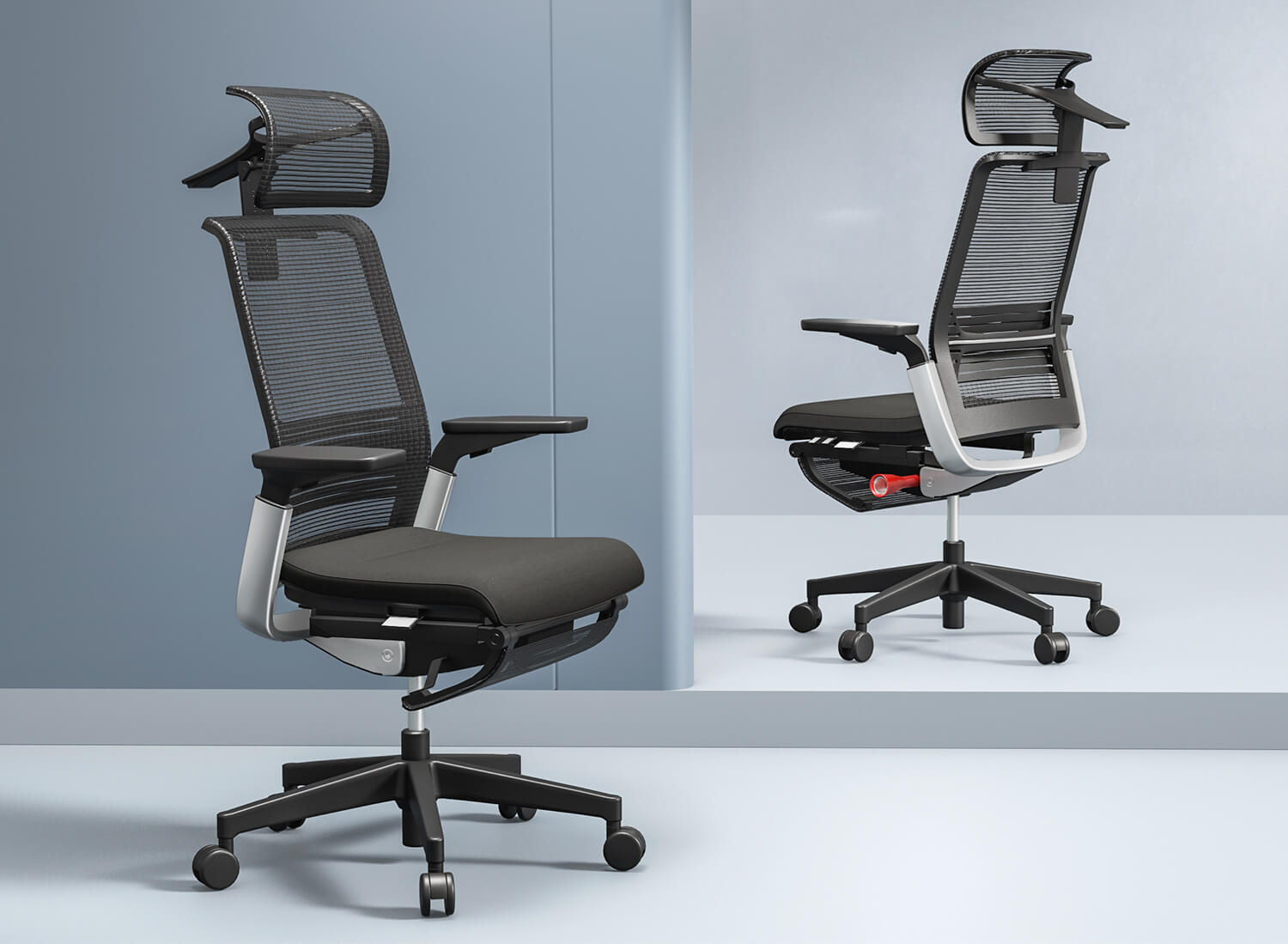
What are the ergonomic considerations for an office chair?
An office chair should have many ergonomic features. These features help people stay comfortable and healthy at work. You should look for adjustability, lumbar support, seat height, armrests, tilt, good material, and a strong base. These things stop pain, help you focus, and keep your posture good.
/ Read More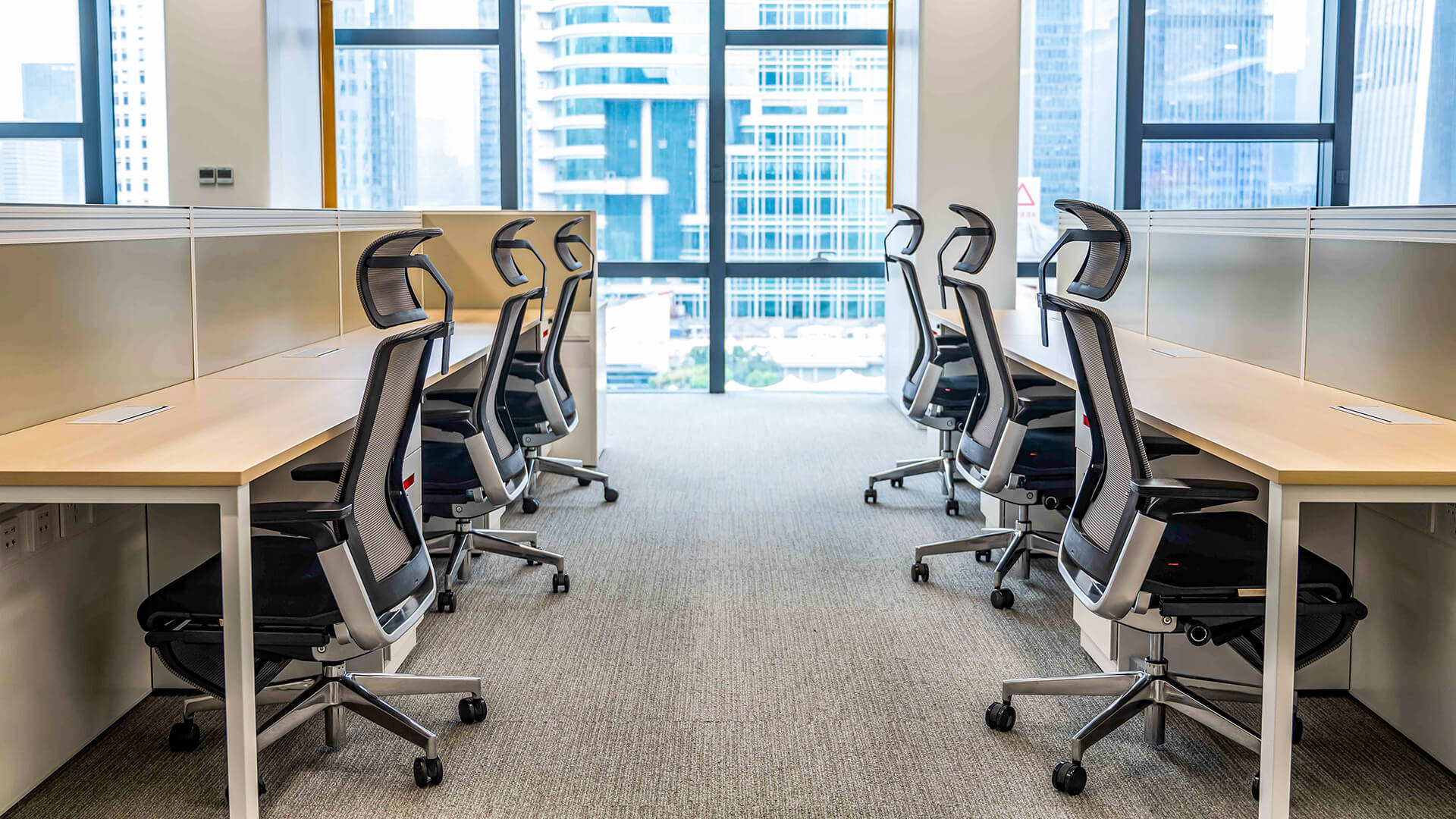
How to properly adjust an office chair for optimal comfort?
Many people sit at desks and ask why their backs hurt or shoulders feel tight. An office chair that fits well can help a lot. Changing things like lumbar support, seat depth, and armrests lowers strain. It keeps your body relaxed and helps you sit in a healthy way. SpaceUnited makes ergonomic office
/ Read More
The Complete Guide to Choosing the Perfect Office Sofas
Choosing an office sofa may seem simple, but the wrong one can make a workspace feel crowded, uncomfortable, or less professional. The right office sofa can make guests feel welcome, give employees a better place to rest, and help your office look more polished.An office sofa is not just a seat. It
/ Read More
How long do modular sofas typically last?
You can expect a modular sofa to last 7 to 15 years. High-quality models, like SpaceUnited, can last even longer. Modular sofas are more flexible than regular sofas. You can swap or move sections with ease. Knowing how long they last helps you choose wisely. A strong sofa is good for busy homes and
/ Read More
How to assemble a modular sofa?
You want a stress-free way to set up your new modular sofa. This guide shows you exactly how to assemble modular sofas without any hassle. SpaceUnited’s clever design means you don’t need tools or special skills. You just follow the guide, connect the pieces, and enjoy your sofa right away.
/ Read More